



Rehab admissions salt lake city can feel overwhelming when you’re ready to seek help for addiction. You may have questions about the admissions steps, insurance coverage, and types of treatment available right here in Salt Lake City. This guide walks you through what you need to know to prepare, choose a facility, verify benefits, and start your recovery journey with confidence.
Understanding rehab admissions
When you’re exploring rehab admissions salt lake city, you need clarity on each step. Admissions is your first interaction with a treatment center, whether you call a 24/7 hotline, complete an online form, or meet face-to-face. The goal is to understand your history, clinical needs, and goals so you can start on a personalized treatment path.
What admissions involve
During the admissions process, you’ll work with a clinician or admissions specialist to:
- Share your substance use history, medical conditions, and any co-occurring mental health issues
- Undergo a physical and mental health screening, which may include lab tests, EKG, or other evaluations
- Discuss insurance benefits, out-of-pocket costs, and available financial assistance
- Review program options, expected lengths of stay, and daily schedules
- Complete consent and intake paperwork
Many centers offer 24/7 hotlines or secure online pre-assessments. Whether you call a helpline or complete a form, a trained specialist will reach out confidentially, walk you through next steps, and confirm bed availability. Handling paperwork in advance can shorten your wait so you can begin treatment sooner.
Admissions evaluations typically take 60 to 90 minutes, depending on your history and any required medical tests. After the assessment, you’ll receive a tentative admission date, which may be immediate if beds are open or within a few days if there’s a brief waitlist. Staying flexible with scheduling ensures you access the right level of care when you’re ready.
Importance of local expertise
Salt Lake City is recognized as one of Utah’s top cities for addiction recovery, with a high concentration of accredited facilities and community support. Local providers benefit from partnerships like the University of Utah College of Nursing and School of Medicine’s four-year, $2 million initiative to improve opioid addiction treatment and prevention in rural Utah areas, ensuring best practices filter into urban centers [1]. When you choose a center deeply embedded in the Salt Lake City recovery network, you tap into the latest research, community collaborations, and aftercare resources tailored to your needs.
Throughout admissions, confidentiality is paramount. Your personal information is protected under HIPAA, and staff will explain your rights regarding privacy and medical record access. If you have concerns about anonymity or family involvement, raise them early so your care plan respects your comfort level. Admissions teams are trained to work with individuals and families to create a supportive environment that honors cultural, spiritual, and personal values.
Evaluating your treatment options
When you’re ready to compare rehab centers, look for an environment that combines clinical excellence, compassionate care, and a treatment philosophy aligned with your values. Admissions processes vary by provider, so understanding each center’s approach helps you find the best fit.
Phoenix Recovery Center offerings
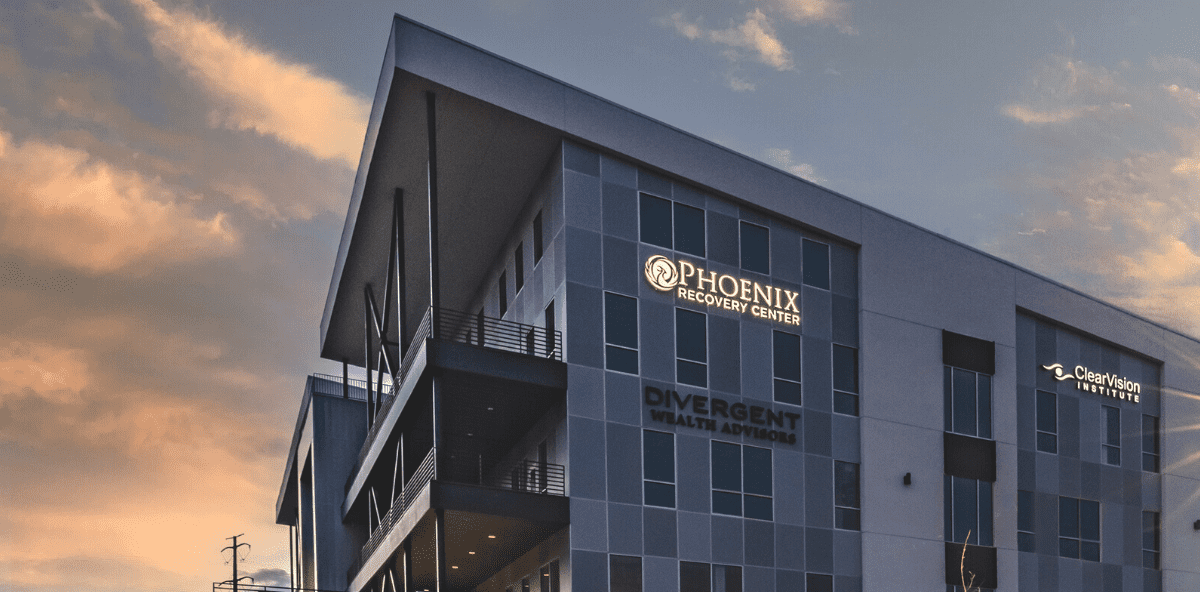
At Phoenix Recovery Center’s Salt Lake City facility, we’ve designed admissions to be seamless and supportive. Here’s what you can expect:
- Personalized care plans based on evidence-based addiction treatment salt lake city and brain health assessments
- Board-certified physicians, nurses, and therapists with expertise in dual diagnosis and co-occurring disorders
- Private rooms, chef-prepared meals, and amenities such as fitness spaces and meditation areas
- Accreditation by The Joint Commission and designation as a private rehab facility salt lake city
- Therapy modalities including individual counseling, group sessions, family-centered addiction treatment salt lake city, and trauma-informed rehab salt lake city
- A continuum of care from medical detox through general outpatient programs
Phoenix Recovery Center’s unique approach
Phoenix Recovery Center takes a brain-first stance on addiction recovery. You’ll undergo neurochemical and cognitive assessments to pinpoint areas needing support. Based on these results, our team may recommend medication-assisted treatment, cognitive rehabilitation exercises, and relapse prevention techniques designed to strengthen neural pathways. This research-driven strategy aims to reduce cravings, improve decision-making, and support lasting sobriety.
Phoenix program timeline
| Program level | Average stay | Key focus |
|---|---|---|
| Medical detox | 5–7 days | Stabilization and withdrawal management |
| Residential treatment | 30–45 days | Structured therapy, life skills, peer support |
| Partial hospitalization | 4–6 weeks | Clinical sessions while living off campus |
| Intensive outpatient | 8–12 weeks | Skill-building, coping strategies |
| General outpatient | varies | Ongoing counseling and check-ins |
An estimated 21.6 million adults in the U.S. needed treatment for substance use in 2019, yet only 4.2 million received it [2]. At Phoenix, our admissions team moves swiftly to address this gap, guiding you from initial call to treatment start.
Other top local centers
Salt Lake City’s recovery community includes several reputable providers, each with its own admissions strengths:
- Odyssey House of Utah: residential and outpatient behavioral health services for adults, including harm reduction programs and peer support [1]
- 7th Street Treatment: trauma-informed 12-step inpatient program with intensive individual and group therapy plus aftercare support [1]
- Brighton Recovery Center: 13-bed facility offering a phased, holistic approach to addiction and mental health treatment, boasting a 94% client satisfaction rate [3]
- Recovery Ways: two licensed locations providing a full continuum of care—detox, residential, PHP, IOP, and outpatient—with specialized tracks like the Valor Healing Program for veterans and firefighter crews [4]
- Volunteers of America: a dedicated Men’s Adult Detoxification Center focusing on medical stabilization before moving to residential or outpatient care [1]
- HMHI at University of Utah: an inpatient detox program staffed by an interdisciplinary team offering behavioral therapies, medication management, family therapy, and discharge planning [5]
Comparing admission processes, treatment philosophies, and amenities at these centers helps you choose the program best suited to your needs.
Navigating insurance and payment
The cost of rehab can be a major concern, but most Salt Lake City centers, including Phoenix Recovery Center, work to make treatment accessible. Understanding insurance, program costs, and assistance options helps you plan without undue stress.
Insurance acceptance and coverage
Phoenix Recovery Center accepts a broad range of insurance plans, such as:
- Aetna (including Aetna Silver 6 through December 31, 2025)
- BlueCross BlueShield
- Cigna
- UnitedHealthcare
- Select Health
- University of Utah Health Plans
- PEHP
- Tricare and more
Our financial coordinators will:
- Verify your in-network benefits, copays, and deductibles
- Estimate out-of-pocket expenses for each level of care
- Handle prior authorization and medical necessity requests
- Clarify any coverage limits or exclusions
If you have an out-of-network plan, we’ll walk you through reimbursement options or private-pay arrangements so you can begin treatment without delay.
Cost of rehab programs
The average cost for a 30-day drug and alcohol rehab program in Utah is approximately $56,782, based on data compiled by the National Center for Drug Abuse Statistics as of June 2025 [6]. While costs vary by program type and amenities, our admissions team provides transparent estimates so you can make informed decisions.
Verifying your benefits
To speed up admissions, you can verify insurance for rehab in salt lake city online or by phone. We’ll request:
- Confirmation of covered services
- Estimated patient responsibility
- Prior authorization requirements
- Any insurer-specific documentation, such as mental health appraisals
Getting benefits confirmed before arrival reduces surprises and allows clinical staff to focus on your treatment.
Financial assistance options
If you’re uninsured or underinsured, Phoenix Recovery Center offers:
- Sliding scale fees based on income
- Payment plans that break costs into manageable installments
- Scholarships or grants from local foundations
- Affordable rehab programs salt lake city
We’re committed to matching you with resources that fit your budget so finances don’t become a barrier to recovery.
Additional support
For free, confidential guidance on admission and coverage, you can call RehabNet.com’s 24/7 helpline at 877-651-2539. Lumina specialists will answer questions about mental health and addiction services in Utah, helping you navigate options at any hour [6].
Exploring levels of care
Salt Lake City’s addiction treatment centers offer multiple care levels so you can move through treatment at a pace that meets your changing needs. Below is a comparison of common programs:
Program comparison
| Program type | Setting | Duration | Link |
|---|---|---|---|
| Medical detox | inpatient hospital | 3–7 days | detox and rehab center in salt lake city |
| Residential treatment | on-site living | 30–60 days | inpatient rehab in salt lake city |
| Partial hospitalization | day program | 5–6 hours/day | partial hospitalization program salt lake city |
| Intensive outpatient | clinic-based | 3–4 hours, 3–5 days/week | intensive outpatient program salt lake city |
| Outpatient services | outpatient clinic | flexible scheduling | outpatient rehab salt lake city |
Medical detox
Medical detox is designed for individuals experiencing significant withdrawal symptoms. In a clinical setting, you’ll receive:
- 24/7 monitoring by physicians and nurses
- Medication-assisted treatment to ease withdrawal
- Nutritional support and hydration therapy
- Daily health check-ins to adjust your care plan
Facilities like Phoenix Recovery Center and Odyssey House of Utah [1] ensure you detox safely before moving into intensive therapy.
Residential treatment
Residential treatment, also called residential addiction treatment salt lake city, offers a structured environment where you live on campus full time. A typical day may include:
- Morning mindfulness or yoga sessions
- Individual and family therapy
- Group workshops on relapse prevention, life skills, and coping strategies
- Recreational activities like hiking in the Wasatch Mountains
- Nutrition education and chef-prepared meals
By removing you from everyday triggers, residential programs help you focus solely on recovery.
Partial hospitalization
A partial hospitalization program salt lake city (PHP) provides intensive clinical support while you return home or to a sober living environment each evening. PHP often includes:
- 5–6 hours of therapy per day
- Group processing, psychoeducational lectures, and skill-building workshops
- Family sessions to strengthen your support network
- Coordination with external medical providers
After completing detox or residential care, PHP can be an effective next step toward independent living.
Intensive outpatient
The intensive outpatient program salt lake city (IOP) combines flexibility with depth. You’ll attend:
- 8–12 hours of group and individual counseling each week
- Relapse prevention planning and coping strategy development
- Opportunities to attend local recovery meetings
- Regular clinical check-ins and progress assessments
IOP lets you maintain work or school commitments while engaging in rigorous treatment.
Outpatient services
Outpatient services offer the most flexibility, with sessions typically scheduled weekly. You can choose from:
- Individual counseling
- Group therapy, including specialized groups for dual diagnosis treatment salt lake city or co-occurring disorder rehab salt lake city
- Telehealth check-ins for convenience
- Referrals to community resources like AA, NA, and sober living
Outpatient care suits individuals with stable home environments and a strong initial sobriety foundation.
Preparing for admission
Knowing how to prepare can ease anxiety and ensure you arrive ready to engage fully in treatment.
Assessment and screening
Before your first day, most centers conduct a detailed intake:
- Complete a clinical assessment covering substance use, mental health history, and physical health
- Undergo lab tests, vital sign checks, and any required medical clearances
- Participate in a psychosocial evaluation to identify triggers, family dynamics, and support systems
- Discuss your treatment goals, such as coping strategies, trauma recovery, or relapse prevention
For programs focused on mental health and addiction treatment salt lake city or specialized tracks like the Valor Healing Program, additional intake steps may apply.
Documentation and logistics
To streamline admission:
- Gather your photo ID, insurance card, and any legal documents
- Bring a list of current medications, dosages, and prescribing doctor contacts
- Prepare signed releases for medical records or previous treatment summaries
- Provide emergency contact and family details for notifications or visitation
Most centers will send you an arrival packet with guidelines on visitation hours, phone use, and personal belongings policies.
What to pack
Pack thoughtfully to stay comfortable and focused:
- Casual, season-appropriate clothing and sturdy shoes
- Toiletries in travel-size containers
- A journal or notebook and pens for reflections
- Books, artwork, or quiet activities to support downtime
- Prescribed medications in original containers
Avoid valuables like jewelry or large sums of cash. Many centers have laundry services, so you can keep your suitcase minimal.
Telehealth and COVID protocols
Some centers offer a telehealth pre-admission session to complete paperwork and initial interviews remotely. If on-site screening is required, staff will follow current health protocols, which may include temperature checks or rapid testing. Confirm these details with admissions before you arrive to ensure a smooth check-in.
Transportation and travel assistance
Arrange your travel to the facility in advance. Phoenix Recovery Center offers shuttle services from Salt Lake City International Airport and can help coordinate safe transport. If you’re driving, confirm parking policies and check weather conditions, especially in winter months when mountain passes can be challenging. Having these logistics in place reduces stress on admission day.
Starting your recovery journey
Admission marks the first step in a transformative process. By knowing what comes next, you can approach recovery with confidence.
First 24 hours
In your first day at Phoenix Recovery Center or another facility, you will:
- Finalize admissions paperwork and meet your primary treatment team
- Receive a physical exam and necessary detox interventions
- Attend orientation sessions to learn program expectations, schedules, and community guidelines
- Begin initial therapy groups and introductions with peers
This orientation phase focuses on building a sense of safety, trust, and routine.
Long-term support
Successful recovery extends well beyond primary treatment:
- Develop a personalized discharge and aftercare plan tailored to your goals
- Access sober living referrals, local support groups, and online communities
- Continue therapy through addiction counseling salt lake city or extended outpatient care
- Join alumni events, workshops, and reunions to reinforce connections
Ongoing support networks and routine check-ins help prevent relapse and promote sustained well-being.
Taking next steps
As you transition, consider additional resources:
- Vocational and educational assistance to rebuild career or academic paths
- Nutritional counseling to restore physical health
- Family-centered sessions to heal relationships
- Legal and financial planning to address external stressors
By integrating these supports, you create a comprehensive recovery ecosystem.
Ready to get started
You’re one step away from a healthier, more fulfilling life. If you’re ready to start your recovery, start your recovery. Need help with coverage? You can also verify insurance for rehab in salt lake city before admission. To discuss your unique needs, schedule a rehab consultation salt lake city and let our team guide you toward lasting change.