



When you’re ready to find insurance accepted rehab programs Salt Lake City offers, you deserve clarity on your coverage options and confidence that your treatment will be both effective and affordable. Understanding how in-network benefits work, what rehab levels you may need and which local centers accept your plan can feel overwhelming. This guide walks you through each step, from exploring major insurers and rehab levels to navigating substance-specific care and low-cost alternatives. You’ll learn where to turn for evidence-based detox, medication-assisted treatment and dual diagnosis support, so you can focus on recovery rather than paperwork.
Explore insurance coverage
Navigating your benefits is the first step toward a smoother rehab experience. By knowing which plans are accepted locally and how to verify your coverage, you’ll reduce surprises and ensure you get the care you need.
Common private insurers
Most Salt Lake City rehab programs in-network with:
- Regence BlueCross BlueShield
- SelectHealth
- Aetna (including Aetna Silver 6 through December 31, 2025)
- Cigna
- UnitedHealthcare
- Humana
- Tricare
Before you schedule a stay, check your plan’s network status, deductibles and co-payment requirements. If you’re covered by Aetna, see rehab that takes aetna salt lake city for centers that partner with your plan. You can also explore rehab covered by united healthcare salt lake city or rehab that accepts cigna salt lake city for more options.
Medicaid and Medicare options
Medicaid recipients often receive substance abuse treatment at little to no cost when a facility is in-network. Many programs accept Utah Medicaid plans—find them via rehab programs that take medicaid salt lake city. While fewer centers take Medicare, those that do typically offer specialized outpatient services. Always confirm in-network status and ask about any required prior authorizations.
Find in-network rehab centers
Choosing a facility that works with your insurer streamlines approvals and cuts out-of-pocket costs. Below are leading local options that accept most major plans.
Phoenix Recovery Center
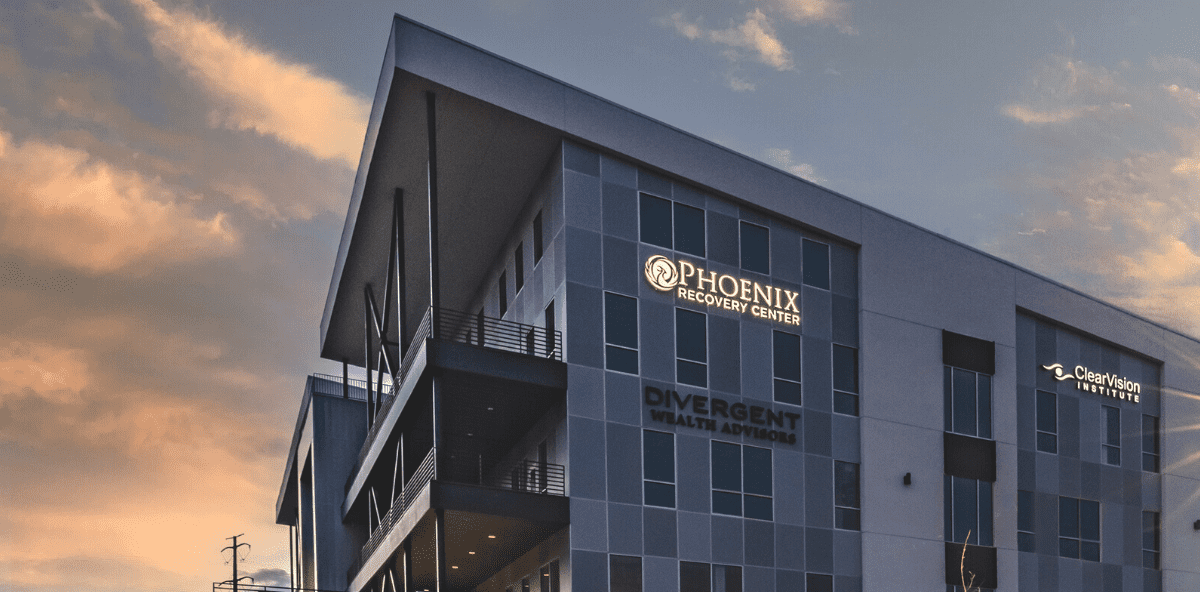
The Phoenix Recovery Center in South Jordan, Utah, offers individualized addiction recovery and mental health services across several levels of care. It accepts insurance from Select Health, BlueCross BlueShield, Aetna (including Aetna Silver 6 through December 31, 2025), UnitedHealthcare, University of Utah Health Plans, PEHP, Cigna, Tricare, United Behavioral Health, Imagine Health, ComPsych and Medicaid in-network [1].
Key features:
- Residential treatment
- Partial hospitalization program (PHP)
- Intensive outpatient program (IOP)
- General outpatient program (GOP)
Located off I-15, Phoenix Recovery Center focuses on evidence-based detox, therapy and relapse prevention in an environment designed for sustained recovery.
Salt Lake City accredited centers
Beyond Phoenix, many Joint Commission accredited facilities accept major insurers or help you verify coverage:
- Newport Academy Utah
- All Points North Lodge
- New Roads Behavioral Health
- Alpine Recovery Lodge
- Odyssey House of Utah
You can explore a broader list at in-network addiction treatment salt lake city or see Recovery.com’s roundup of 107 top centers [2].
Understand treatment levels
Insurance accepted rehab programs Salt Lake City offers span multiple care intensities. Knowing what each level involves will help you choose the right fit.
Residential treatment
Your home-like stay includes 24/7 medical supervision, structured therapy schedules and peer support. Ideal for severe addiction or co-occurring disorders, residential programs stabilize you before transitioning to outpatient care.
Partial hospitalization program
PHP provides daily therapy and medical oversight without overnight stays. You’ll return home or to sober living each night, maintaining routines while receiving intensive support.
Intensive outpatient program
IOP balances therapy sessions—typically 9 to 15 hours per week—with daily responsibilities. It’s a flexible option when you don’t require medical detox or 24-hour supervision.
General outpatient program
GOP offers weekly or biweekly counseling, group therapy and relapse prevention education. It’s suited for early recovery or long-term maintenance after higher levels of care.
Choose detox program options
Detox is often your first step in recovery. Finding a medically supervised program that accepts your insurance can reduce withdrawal risks and improve comfort.
Medical detox benefits
- 24/7 nursing and physician care
- Medication-assisted withdrawal management
- Monitoring of vital signs and co-occurring conditions
- Transition planning to higher levels of care
Many programs, including those at Phoenix Recovery Center, integrate evidence-based protocols to ensure safe, effective detox [1].
Outpatient detox services
If your symptoms are mild, you may qualify for an outpatient detox program. These allow you to live at home while attending daily medical appointments and group sessions. Check outpatient detox program salt lake city for participating centers.
Consider dual diagnosis care
When you face both addiction and mental health challenges, integrated treatment is critical. Insurance coverage for dual diagnosis programs varies by plan but is increasingly common.
Integrated mental health support
Dual diagnosis programs combine:
- Individual and group therapy for substance use
- Psychiatric evaluation and medication management
- Trauma-informed care
- Skill-building for coping with anxiety, depression or PTSD
This holistic approach reduces relapse triggers tied to untreated mental health symptoms.
Insurance coverage for dual diagnosis
Most major insurers cover dual diagnosis when the provider is in-network. Verify your plan’s behavioral health benefits and ask if a facility offers dual diagnosis with insurance coverage in Salt Lake City via dual diagnosis with insurance coverage salt lake city.
Evaluate cost assistance
Even with insurance, you may face co-pays or deductibles. Knowing average costs and financial aid options helps you plan ahead.
Average treatment costs
| Program type | Average cost (30 days) | Estimated insured cost (80% coverage) |
|---|---|---|
| Residential care | $56,782 | $11,356 |
| Three-month residential | $63,840 | $12,768 |
| Intensive outpatient (IOP) | $15,000 | $3,000 |
| Data from RehabNet shows a 30-day Utah program averages $56,782 [3]. StartYourRecovery.org notes that three months of residential care can cost $21,280 out-of-pocket, dropping to around $4,260 with 80 percent insurance coverage [4]. |
Payment plans and aid
Many centers offer:
- Sliding scale fees
- Payment plans
- Scholarships or grants
- State block grant assistance
When you call a rehab, ask about payment assistance programs and sliding scale eligibility.
Explore free care options
If insurance is limited or you’re uninsured, Salt Lake City still offers accessible recovery pathways.
Nonprofit rehab programs
- Odyssey House of Utah
- First Step House
- House of Hope
- Volunteers of America detox centers
These nonprofits provide free or low-cost detox and transitional services, helping you stabilize before moving to higher levels of care.
State-funded and sliding scale
Salt Lake County Behavioral Health and Optum Utah support Medicaid recipients and offer block grant-funded services. You may qualify for in-network treatment at little to no cost. Contact providers to learn how sliding scale fees apply.
Navigate substance-specific care
Tailoring your treatment to the substance you’re using can improve outcomes. Many insurance-accepted programs specialize in specific detox and rehab protocols.
Alcohol detox programs
For alcohol use disorder, medical supervision is key to managing withdrawal safely. Explore alcohol detox salt lake city and alcohol treatment center salt lake city for in-network services.
Opioid and fentanyl detox
Opioid withdrawal can be intense. Look for medication-assisted treatment through suboxone treatment salt lake city or mat program salt lake city, and consider specialized options like fentanyl detox salt lake city and heroin rehab salt lake city.
Benzodiazepine detox
Detoxing from benzos requires precise medical oversight to prevent severe withdrawal. Find programs at benzodiazepine detox salt lake city and xanax addiction treatment salt lake city.
Stimulant addiction programs
Treatments for cocaine or methamphetamine addiction often focus on behavioral therapies. Check cocaine rehab salt lake city, meth addiction treatment salt lake city and stimulant addiction program salt lake city.
Take next steps
Once you’ve reviewed your options, you’re ready to move forward with confidence.
Verifying your benefits
- Call your insurer’s customer service number on your ID card.
- Ask if your desired facility is in-network.
- Inquire about prior authorization requirements.
- Confirm deductibles and co-pays for each program level.
Preparing for admission
- Gather your insurance card and photo ID
- List current medications and medical history
- Arrange transportation and personal support
- Plan for work or family coverage during treatment
By taking these steps, you’ll reduce delays and start your recovery journey with the right team, the right support and the peace of mind that your insurance will help carry you through to lasting healing.