


Understand treatment options
When you begin looking for an alcohol treatment center salt lake city, you’ll encounter a range of care levels designed to match your needs, schedule, and budget. Treatment options vary in intensity, location, and duration, so it’s important to understand how each works before you decide on the right path for recovery.
Inpatient vs outpatient
- Inpatient (residential) programs require you to live at the facility, providing 24-hour medical supervision, structured therapy, and peer support. This level of care can be essential if you need medically supervised detox or have struggled with relapse.
- Outpatient programs let you stay at home or in sober living while attending scheduled therapy sessions and groups. Outpatient care can be a good fit if you have a stable home environment and can manage work or family responsibilities.
- Intensive outpatient programs (IOP) and partial hospitalization (PHP) offer a middle ground, combining multiple weekly therapy sessions with flexible living arrangements.
Residential programs
Residential treatment usually begins with medical detox, helping you manage withdrawal safely at a medical detox center salt lake city. After detox, you move into therapy groups, individual counseling, and holistic activities. The immersive environment reduces outside triggers, letting you focus fully on recovery.
Outpatient and intensive outpatient
Outpatient care ranges from weekly individual therapy to daily group sessions, depending on your program’s level. An IOP often includes:
- 9–20 hours of group therapy per week
- Individual counseling
- Family therapy sessions
- Medication management, if needed
Outpatient and IOP programs are often covered under the same benefits as inpatient care, thanks to parity laws requiring insurers to treat mental health on par with physical health.
Explore local treatment centers
Salt Lake City offers a spectrum of alcohol rehab options, from nonprofit houses to luxury retreats. Reviewing each center’s approach, setting, and cost can help you narrow your choices.
Odyssey House of Utah
Odyssey House of Utah provides residential and outpatient addiction treatment, along with harm reduction services for adults. You can choose a structured residential stay or attend outpatient counseling focused on relapse prevention and life skills [1].
7th Street Treatment
At 7th Street Treatment, you’ll find a 12-Step drug and alcohol rehab program that includes trauma-informed individual and group therapy. Their inpatient treatment and aftercare support help you build coping strategies and a sober network in your community [1].
Brighton Recovery Center
Brighton Recovery Center operates a 13-bed facility offering holistic and traditional treatment for substance use and co-occurring mental health disorders. Their phased progression model addresses physical health, family history, and relapse risk to create individualized care plans [2].
The Haven
Nestled near the Tomahawk Natural Area foothills, The Haven emphasizes integrated recovery with holistic therapy, nutrition education, and mindfulness practices. Their setting supports connection to nature as part of your healing process [1].
Phoenix Recovery Center
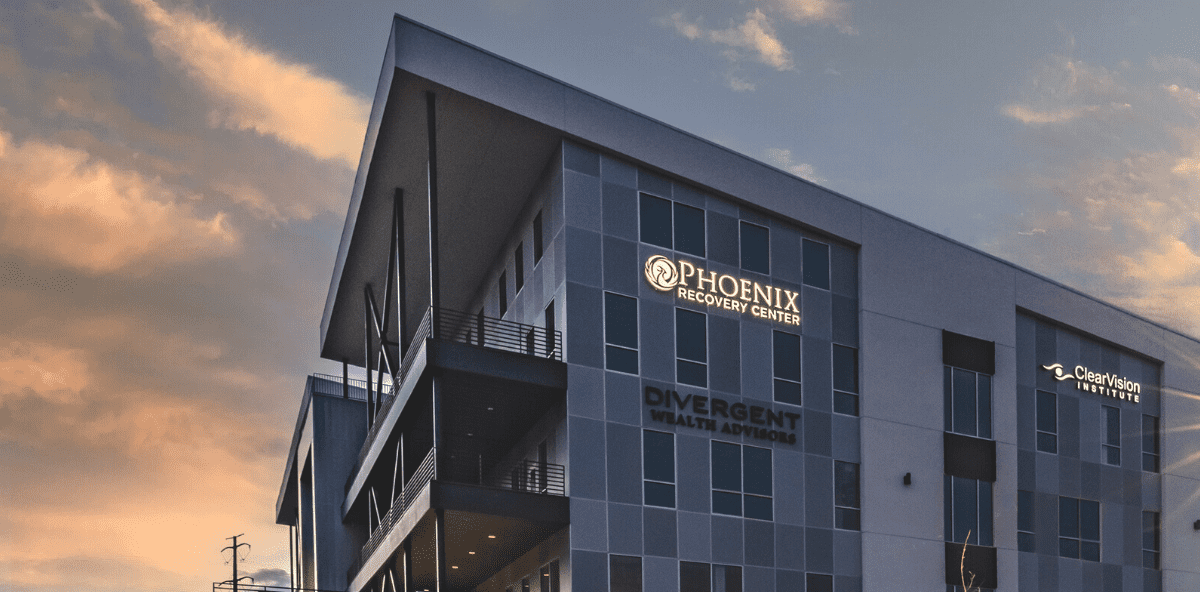
Phoenix Recovery Center offers an evidence-based approach to alcohol and drug treatment in Salt Lake City, delivering all levels of care from detox to outpatient support. As an in-network provider, most major insurers cover their programs, making it easier for you to focus on recovery rather than paperwork.
Cirque Lodge
Experience luxury treatment at Cirque Lodge’s two Salt Lake City facilities: The Lodge, at the base of Mount Timpanogos, and The Studio, featuring equine therapy and high-ropes courses. Their medically supervised detox includes 24-hour nursing care, then shifts into individual and group counseling, family therapy, and 12-Step recovery [3].
University of Utah Health
The University of Utah Health’s HMHI Addiction Recovery Services offers comprehensive behavioral therapies, medication management, experiential therapies, and family involvement. Their inpatient detoxification is led by psychiatrists and nurses, with a customized discharge plan to ensure a smooth transition back home [4].
Compare program features
Once you’ve identified a few centers, compare their core offerings. Look for evidence-based approaches, trauma support, and aftercare to ensure long-term success.
Holistic and evidence-based therapies
| Therapy type | Focus |
|---|---|
| Cognitive behavioral therapy | Challenges negative thought patterns, teaches coping strategies |
| Dialectical behavior therapy | Builds distress tolerance, emotional regulation |
| Holistic activities | Yoga, meditation, art and equine therapy support overall wellness |
| Medication-assisted treatment | Eases withdrawal, reduces cravings, often combined with counseling |
Trauma-informed approaches
Centers that integrate trauma-informed care help you process underlying issues that may have contributed to substance use. Look for programs offering:
- EMDR or other trauma therapies
- Safe group environments
- Individual sessions with trained trauma counselors
Aftercare and support
Effective programs include aftercare planning, such as sober living referrals, alumni networks, and ongoing outpatient counseling. Sustained support reduces relapse risk and helps you transition back to daily life with confidence.
Verify insurance and costs
Understanding your coverage can save you thousands and ease the stress of financing treatment.
In-network providers
Choosing a provider that’s in your network means lower out-of-pocket costs. Many insurers cover most or all of your stay at Phoenix Recovery Center, and others listed as in-network addiction treatment salt lake city (/in-network-addiction-treatment-salt-lake-city).
Insurance plans accepted
Check each facility’s accepted plans. Common carriers include:
- Aetna – see rehab that takes Aetna salt lake city
- Cigna – see rehab that accepts Cigna salt lake city
- Blue Cross Blue Shield – see rehab that takes Blue Cross Blue Shield salt lake city
- Tricare – see rehab that takes Tricare salt lake city
- United Healthcare – see rehab covered by United Healthcare salt lake city
- Medicaid – see rehab programs that take Medicaid salt lake city
Financial assistance options
If you’re uninsured or underinsured, ask about sliding-scale fees, scholarship funds, and payment plans. Nonprofit centers like Odyssey House of Utah may offer lower-cost services, and free social detox is available through Volunteers of America Men’s Detoxification Center.
Access medication-assisted treatment
Medication-assisted treatment (MAT) combines FDA-approved medications with counseling to support your recovery from alcohol use disorder.
MAT benefits
- Reduces withdrawal symptoms and cravings
- Improves retention in therapy
- Lowers risk of relapse
Suboxone and other options
Suboxone, naltrexone, and acamprosate are common for alcohol or opioid use disorders. You can learn more about local options at suboxone treatment salt lake city or explore medication-assisted treatment salt lake city.
Consider dual diagnosis support
If you’re coping with mental health conditions alongside alcohol use, integrated treatment is crucial for full recovery.
Integrated mental health care
Programs offering dual diagnosis with coordinated care help you address anxiety, depression, PTSD, or other co-occurring disorders. Treatment plans may include psychiatric medication management, group therapy, and specialized support groups.
Family involvement
Recovery often involves healing relationships. Family therapy and education can strengthen your support system, improve communication, and help loved ones understand the recovery journey. Look for programs that prioritize family engagement in their curriculum.
Plan your admission process
Taking the first step toward recovery can feel daunting, but preparing ahead of time can ease your transition into treatment.
Assessment and intake
Most centers begin with a comprehensive evaluation of your physical health, substance history, and mental health. Be ready to share details about your insurance, medications, and any past treatment experiences.
What to pack
- Comfortable clothes and shoes
- Toiletries and personal items
- Any prescribed medications (in original containers)
- A list of emergency contacts and your insurer’s card
Setting recovery goals
Before admission, identify short-term goals (completing detox, attending therapy consistently) and long-term goals (maintaining sobriety, rebuilding relationships). Clear objectives help you stay motivated and measure your progress.
By understanding the types of care, exploring Salt Lake City’s top centers, comparing key features, verifying your insurance, and planning your admission, you can find the alcohol treatment center in Salt Lake City that truly fits your needs. Remember that recovery is a journey, and taking this first step brings you closer to a healthier, sober future.