



Explore local treatment options
If you’re looking for addiction recovery with insurance salt lake city, you’re not alone. You may feel overwhelmed by the number of treatment providers and the complexity of insurance coverage. Understanding the options available in Salt Lake City can help you choose a program that meets your needs and works with your insurance plan.
Salt Lake City offers a full continuum of care, from medically supervised detox to intensive outpatient programs. Each provider brings a unique approach to behavioral therapies, medication management, experiential therapies, and family support. Below are three leading facilities to consider.
University of Utah Health HMHI
The University of Utah Health’s Huntsman Mental Health Institute (HMHI) provides comprehensive addiction recovery services. Its programs include:
- Behavioral therapies such as cognitive behavioral therapy and dialectical behavior therapy
- Medication management during detox and ongoing treatment
- Experiential therapies, including art and equine-assisted sessions
- Family therapy to build a supportive home environment
- Aftercare support to prevent relapse
HMHI’s inpatient detoxification program offers medically supervised withdrawal under psychiatrist and nursing care, ensuring safety while you begin recovery [1].
Hazelden Betty Ford
Hazelden Betty Ford is an in-network provider for most major health insurance companies, which can reduce your out-of-pocket expenses. Their insurance process includes:
- Verification of coverage and pre-authorization for rehab services
- Financial case managers who advocate for additional authorized treatment days
- Acceptance of TRICARE plans for military members and families
- Patient financial assistance funds on a limited basis
Note that Hazelden Betty Ford does not accept Medicare or Medicaid plans; however, they guide you toward other resources if you need public insurance support [2].
The Phoenix Recovery Center
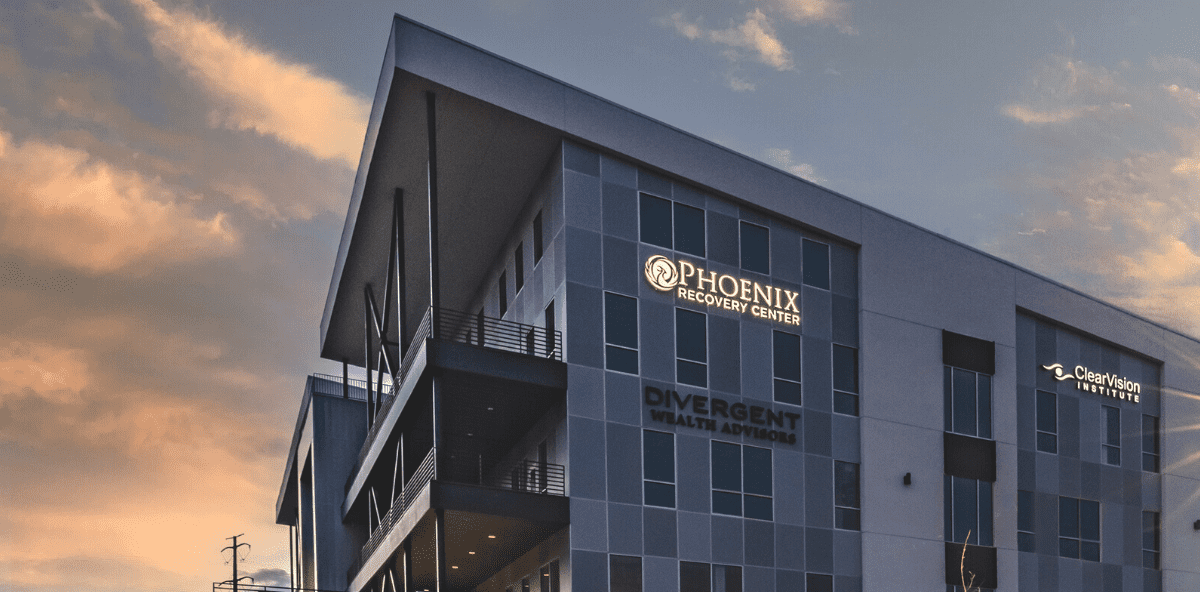
The Phoenix Recovery Center in South Jordan, Utah, offers individualized programs that focus on:
- Residential treatment for severe addiction cases
- Partial hospitalization day programs (PHP)
- Intensive outpatient programs (IOP) with 9–20 hours of therapy per week
- General outpatient (GOP) step-down support
They accept a wide range of insurance providers, including SelectHealth, BlueCross BlueShield, Aetna (Silver 6 plans until December 31, 2025), United Healthcare, University of Utah Health Plans, PEHP, Cigna, TRICARE, United Behavioral Health, Imagine Health, ComPsych, and Medicaid in Utah. The Phoenix Recovery Center’s evidence-based therapies combined with pharmacological support and accreditation by The Joint Commission ensure high standards of safety and care [3].
Understand your insurance coverage
Navigating your insurance benefits is a crucial step in planning addiction recovery with insurance salt lake city. Policies vary widely in terms of in-network providers, covered services, authorization requirements, and cost sharing. Below are key factors to review.
In-network addiction treatment
Using in-network providers can maximize your benefits and reduce your financial responsibility. You can find local in-network options through your insurer’s online directory or via resources like in-network addiction treatment salt lake city.
Common networks in Salt Lake City include:
- SelectHealth
- BlueCross BlueShield
- Aetna
- Cigna
- UnitedHealthcare
- TRICARE
- Medicaid
Prior authorization and medical necessity
Most insurance plans require prior authorization before you begin higher levels of care, such as inpatient rehab or partial hospitalization. Authorization typically hinges on:
- Clinical assessment by your treatment provider
- Demonstrated medical necessity: detox, risk of withdrawal complications, co-occurring mental health disorders
- Submission of supporting documentation by clinicians
Failure to obtain proper authorization can result in claim denials and unexpected bills. Work closely with your treatment team to complete these steps.
Out-of-pocket costs
Even with insurance, you may be responsible for certain costs:
- Copayments per visit or per day of inpatient stay
- Coinsurance, often a percentage of allowed charges
- Deductibles before coverage begins
For example, a three-month residential program costing about $21,280 may drop to approximately $4,260 after insurance covers 80% of allowed charges [4]. Ask your financial case manager or the admissions team to estimate your costs.
Compare levels of care
Choosing the right level of care depends on the severity of your substance use disorder, your medical history, and your support system. Below is a breakdown of common levels of care and typical insurance coverage.
| Level of care | Services included | Insurance considerations |
|---|---|---|
| Medical detox and inpatient care | 24/7 medical supervision, medication management, group and individual therapy | Often covered in full after prior authorization |
| Partial hospitalization program | Structured day program, clinical monitoring, group therapy | Covered when medical necessity criteria are met |
| Intensive outpatient program (IOP) | 9–20 hours of weekly therapy, ability to maintain home/work routines | Generally covered under mental health or substance use benefits |
| General outpatient program (GOP) | Weekly or biweekly therapy sessions | Copays and coinsurance may apply |
Medical detox and inpatient care
Medical detox is essential if you have physical dependence on substances such as alcohol, opioids, benzodiazepines, or stimulants. You’ll receive:
- Medication-assisted withdrawal management /drug-withdrawal-management-salt-lake-city
- Continuous monitoring by psychiatrists and nursing staff
- Customized discharge plans to transition to the next level of care
University of Utah’s inpatient detox program exemplifies a medically supervised approach for safe withdrawal [1].
Partial hospitalization and outpatient
If your detox is complete and you no longer require full-time supervision, partial hospitalization (PHP) can offer intensive support that allows for evening or weekend return home. PHP often includes:
- Medical check-ins
- Group therapy
- Life-skills workshops
Intensive outpatient (IOP) provides 9–20 hours of therapy while you maintain daily routines. General outpatient (GOP) is a further step-down that focuses on relapse prevention and continued counselling.
Medication-assisted treatment
Medication-assisted treatment (MAT) combines behavioral therapy with medications such as buprenorphine, methadone, or naltrexone. You can explore MAT options through medication-assisted treatment salt lake city or specialized programs like suboxone treatment salt lake city.
MAT is typically covered under both mental health and substance use benefits once you meet medical necessity criteria.
Secure insurance-supported treatment
To ensure your chosen program is covered, proactive steps are essential. Coordinating with your insurer and the treatment provider can prevent delays and unexpected expenses.
Verification and preauthorization
- Contact your insurance company to confirm coverage tiers for detox, inpatient rehab, PHP, IOP, and outpatient services
- Request a preauthorization form or guidelines
- Provide clinical documentation from your physician or the admissions team
- Follow up on authorization status before your admission date
Financial case managers
Many treatment centers, including Hazelden Betty Ford and The Phoenix Recovery Center, assign financial case managers to guide you through the insurance process. They can:
- Verify your policy benefits
- Handle communications with insurance carriers
- Obtain authorizations for extended stay or additional services
- Explore financial assistance or payment plan options
Medicaid and Medicare options
If you qualify for Medicaid or Medicare, you may access addiction treatment at little to no cost through in-network providers. Consider resources such as:
- Rehab programs that take Medicaid salt lake city
- Legacy Healing Center LLC for Medicare coverage assistance [5]
Medicare typically covers inpatient rehab with medical detox, MAT, outpatient rehab, and PHP when medically necessary.
Plan your recovery journey
Creating a personalized recovery plan helps you stay focused and motivated. Incorporate these elements into your roadmap.
Tailor to your substance
Different substances require specialized approaches. Explore targeted programs such as:
- Alcohol treatment center salt lake city
- Opioid addiction treatment salt lake city
- Fentanyl detox salt lake city
- Heroin rehab salt lake city
- Prescription drug rehab salt lake city
- Benzodiazepine detox salt lake city
- Xanax addiction treatment salt lake city
- Cocaine rehab salt lake city
- Meth addiction treatment salt lake city
- Stimulant addiction program salt lake city
Include family and peer support
Family therapy can strengthen your support network and build resilience against relapse. Many centers offer family education and counseling as part of their programs [1].
Peer support groups and alumni networks provide ongoing encouragement and accountability. Ask your provider about connections to local 12-step meetings or SMART Recovery groups.
Aftercare and relapse prevention
A strong aftercare plan is the bridge to long-term recovery. Consider:
- Outpatient counseling and IOP follow-up
- Sober living homes with structured environments
- Continued medication management if you’re on MAT
- Regular check-ins with a therapist or psychiatrist
- Wellness activities like nutrition planning, exercise, mindfulness, and vocational support
Phoenix Recovery Center’s aftercare services emphasize disease-management skills and relapse prevention, helping you transition back to daily life with confidence [3].
By exploring local treatment options, understanding your insurance benefits, comparing levels of care, securing insurance-supported treatment, and planning your personalized journey, you can navigate addiction recovery with insurance in Salt Lake City with greater confidence. You don’t have to face this alone—reach out, ask questions, and lean on the experts and community resources ready to support your path to lasting sobriety.