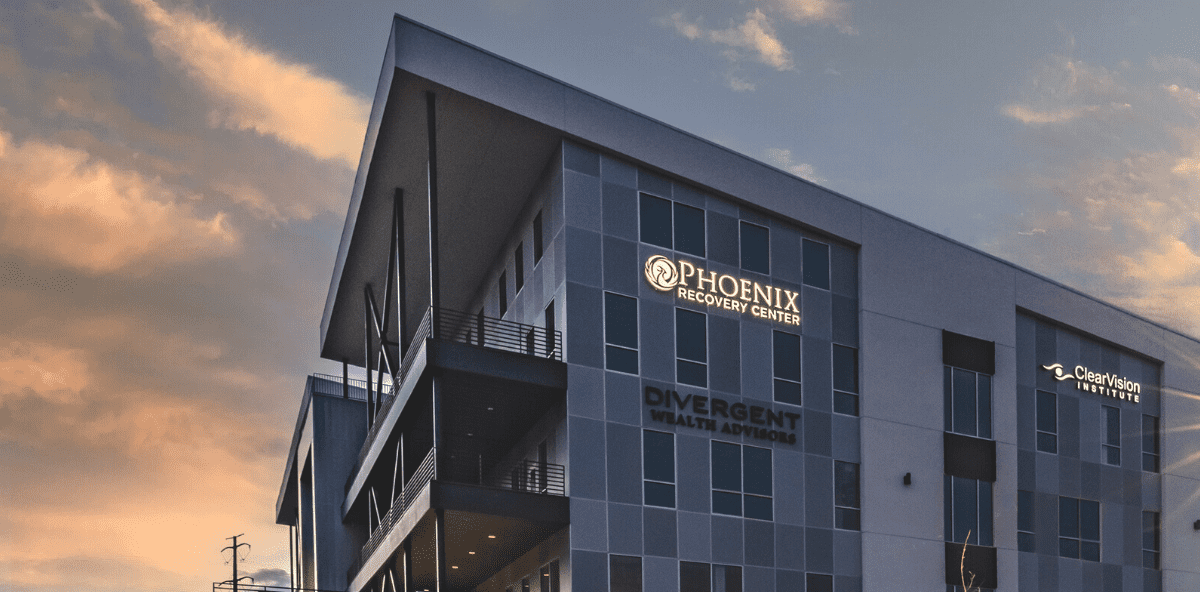




When you’re exploring addiction treatment in Salt Lake City, you need more than a facility—you need a partner committed to your health, dignity and long-term success. You might be feeling overwhelmed by the options or uncertain where to begin. Phoenix Recovery Center’s Salt Lake City team understands the challenges you face and provides compassionate, evidence-based care at every stage. This guide is for you—whether you’re an adult seeking support, a family member looking for answers, a veteran in transition or someone juggling work, school and recovery. We make every step as seamless as possible, from insurance verification to personalized treatment planning.
Addiction treatment in Salt Lake City spans a spectrum of services, from medically supervised detox to residential programs, partial hospitalization, intensive outpatient and ongoing outpatient support. Local providers emphasize clinical excellence, holistic wellness and family involvement. Utah ranks 29th in cost for residential drug rehabilitation treatment (non-hospital) and shares the same average cost of outpatient rehab with Wisconsin as of 2016 [1]. Despite this availability, only one in ten Utahns with a substance use disorder receives treatment [1]. In Salt Lake City, opioid-related overdoses have risen by 15 percent in the past year, underscoring the need for accessible, quality care [2].
This guide walks you through program types, admissions, clinical approaches, local expertise, costs, aftercare and how to take your first step. With this information, you can confidently choose the best addiction treatment in Salt Lake City for you or your loved one.
Overview of local care
Salt Lake City offers a diverse network of addiction treatment services to meet a range of needs and budgets. You’ll find state-run centers with lower fees, private facilities with specialized amenities, faith-based programs and holistic retreats in forested settings. Many providers hold Joint Commission accreditation, ensuring they meet high standards for patient safety and quality of care.
With the Wasatch Mountains as a backdrop, local rehab centers often incorporate outdoor activities into treatment plans, using hiking, climbing and mindfulness walks to support healing. Cultural and community events—like recovery-focused workshops at local churches and nonprofit organizations—provide additional support.
Key aspects you can expect in local programs include:
- Trauma-informed environments that prioritize safety, choice and empowerment
- Licensed clinicians trained in cognitive behavioral therapy, motivational interviewing and dialectical behavior therapy
- Options for co-occurring mental health support, addressing anxiety, depression or PTSD alongside substance use
- Holistic modalities like yoga, meditation, art therapy and nature explorations to foster mind-body wellness
- Family education and support groups to help you rebuild trust and communication
Despite these strengths, cost and access remain concerns. A 30-day residential stay averages $56,782 in Utah [3], and wait times at state facilities can delay your treatment. However, the strong local community network—including outpatient recovery clinics, alumni groups and nonprofit helplines—ensures you always have options when you’re ready to take the first step.
Explore program types
Choosing the right level of care is central to your recovery. Here are the main program types you’ll encounter in Salt Lake City:
Detox and medical stabilization
Detoxification, or detox, is designed to help you safely withdraw from drugs or alcohol under medical supervision. At Phoenix Recovery Center, you receive:
- 24/7 monitoring by psychiatrists, nurses and support staff
- Medication management to ease withdrawal symptoms such as nausea, tremors and anxiety
- Regular vital sign checks, lab tests and hydration support
- Access to therapy and peer support to address early emotional challenges
Typical length of detox ranges from three to seven days, depending on your substance use history. You can learn more about our detox and rehab center in Salt Lake City.
Residential care options
Residential treatment places you in a structured, drug-free environment where you live on-site. Benefits include:
- Daily individual and group therapy sessions
- Skill-building workshops on relapse prevention, communication and stress management
- Recreational activities, mindfulness exercises and evening peer support groups
- Nutritious meals, fitness facilities and comfortable living spaces
Program durations vary:
- Short term: 3 to 6 weeks, ideal for mild to moderate addiction
- Long term: 6 to 12 months, suited for severe or chronic substance use
Explore our residential addiction treatment Salt Lake City for a full list of services.
Partial hospitalization program
Partial hospitalization programs (PHPs) offer intensive daytime care without requiring you to stay overnight. You generally:
- Attend treatment five days a week, 6 to 8 hours per day
- Participate in individual therapy, group sessions and psychoeducational classes
- Return home each evening, giving you the chance to apply skills in your daily life
PHP is a strong transitional option if you need structured support but have a stable home environment. See details at partial hospitalization program Salt Lake City.
Intensive outpatient program
IOPs provide flexibility for those balancing responsibilities while staying committed to recovery. Features include:
- Three to five sessions per week, 3 to 4 hours each
- Group therapy, individual counseling and family sessions
- Case management to coordinate community resources and referrals
An IOP can be your next step after detox or residential care, or a standalone option for mild to moderate addiction. Visit intensive outpatient program Salt Lake City.
Outpatient services
Outpatient treatment is the most flexible level of care, allowing you to:
- Attend weekly therapy sessions, support groups and medication check-ins
- Maintain work, school or family routines
- Access telehealth and in-person appointments tailored to your schedule
Outpatient rehab is ideal for ongoing support after completing higher levels of care or as an entry point for mild substance use concerns. Learn more at outpatient rehab Salt Lake City.
Understand admissions process
Starting treatment can feel daunting, but the admissions process at Phoenix Recovery Center is streamlined to minimize stress. Here’s what to expect:
Verify your insurance
Insurance coverage is often the primary concern. To simplify this step:
- Contact your insurer directly with facility details and service codes
- Work with our admissions team to confirm benefits, copays and deductibles
- Explore sliding-scale fees or financing plans if gaps remain
Use our verify insurance for rehab in Salt Lake City tool for a quick estimate of your out-of-pocket costs.
Complete clinical assessment
A licensed clinician conducts a thorough evaluation to tailor your treatment plan. This includes:
- Medical history review, including previous treatments and hospitalizations
- Substance use questionnaire detailing frequency, quantity and methods of use
- Mental health screening for anxiety, depression, trauma and other conditions
- Physical exam and lab tests to rule out underlying health issues
This personalized assessment ensures you receive the proper level of care, whether it’s detox, residential treatment or outpatient services.
Pre-admission planning
Before your arrival, you’ll receive:
- An orientation packet with schedules, facility rules and packing lists
- Instructions on what to bring: clothing, toiletries, medication records and personal items
- Guidance on travel logistics, including directions, parking and nearby accommodations for family visits
Schedule admissions consultation
Finally, you’ll meet with an admissions coordinator to:
- Review and sign consent forms and treatment agreements
- Set a start date that fits your schedule and emotional readiness
- Discuss any special needs, such as dietary restrictions or mobility accommodations
At this point, you can officially start addiction treatment Salt Lake City when you’re ready, confident that every detail supports your success.
Evaluate clinical approaches
Choosing programs that align with your personal needs increases your chances of long-term recovery. Ask providers about staff credentials, patient-to-staff ratios and how they integrate family or community support into their clinical approaches.
Evidence-based therapies
Evidence-based therapies use interventions backed by scientific research to ensure consistent results:
- Cognitive behavioral therapy (CBT) helps you identify and reframe unhelpful thoughts and behaviors
- Motivational interviewing (MI) enhances your intrinsic desire to change by exploring ambivalence
- Dialectical behavior therapy (DBT) teaches distress tolerance, emotional regulation and interpersonal effectiveness
- Group therapy fosters peer support, accountability and shared learning
Many programs, including evidence-based addiction treatment Salt Lake City, integrate these methods into individual and group sessions.
Medication-assisted treatment
For opioid and alcohol use disorders, medication-assisted treatment (MAT) combines FDA-approved medications with counseling and behavioral therapies to:
- Reduce cravings and withdrawal symptoms
- Improve retention in treatment and lower overdose risk
- Support long-term recovery by stabilizing brain chemistry
Facilities offering MAT coordinate closely with mental health and primary care providers. Learn about integrated care at mental health and addiction treatment Salt Lake City.
Trauma-informed care
A trauma-informed approach recognizes that trauma can drive addiction. Key principles include:
- Safety: both physical and emotional security
- Trustworthiness: clear expectations and transparent processes
- Peer support: shared experiences foster connection and hope
- Empowerment: supporting choice and skill-building
Facilities like trauma-informed rehab Salt Lake City train staff to avoid re-traumatization and promote resilience.
Dual diagnosis treatment
When addiction coexists with mental health disorders, integrated care is vital. Dual diagnosis programs offer:
- Concurrent treatment plans addressing both conditions
- Psychiatric consultation for medication management
- Specialized therapy groups for depression, anxiety, PTSD or bipolar disorder
Seek out dual diagnosis treatment Salt Lake City or co-occurring disorder rehab Salt Lake City to ensure your mental health needs are met alongside addiction care.
Holistic therapies
Complement core clinical work with holistic practices that nurture mind, body and spirit:
- Yoga and mindfulness to reduce stress and improve emotional regulation
- Art and music therapy for creative self-expression
- Nature-based experiences and wilderness therapy to reconnect with the outdoors
- Nutritional counseling and fitness plans that support physical recovery
For a balanced healing journey, consider holistic addiction treatment Salt Lake City.
Leverage local expertise
Salt Lake City’s treatment landscape includes a mix of established institutions, specialized clinics and nature-based retreats. Support extends beyond the city limits, with initiatives tackling rural opioid crises. For example, a four-year, $2 million project led by the University of Utah College of Nursing and School of Medicine aims to expand opioid treatment and prevention in rural areas disproportionately affected by overdose [4].
Below is a comparison of leading providers, highlighting their core programs and unique strengths:
| Provider | Programs offered | Accreditation & outcomes | Unique features |
|---|---|---|---|
| Phoenix Recovery Center | Detox, residential, PHP, IOP, outpatient, family therapy | Joint Commission accredited, high patient satisfaction | Compassionate staff, personalized care plans, integrated holistic therapies |
| University of Utah Health HMHI | Inpatient detox, outpatient clinics, Recovery Works, Bridge program for opioid addiction | Part of academic medical center, evidence-based practices [5] | Emphasis on nutrition, family-centered discharge planning, research initiatives |
| Odyssey House of Utah | Residential, outpatient, harm reduction, aftercare | Joint Commission accredited, 66% completion rate vs 43% state average [6] | Largest provider since 1971, community integration, peer-run support groups |
| Spirit Mountain Recovery | Residential, wilderness therapy, IOP, outpatient | Accredited, holistic focus [2] | Nature-based healing, evidence-based therapies, dual diagnosis support |
| 7th Street Treatment | Inpatient 12-Step, trauma-informed individual & group therapy, aftercare support | Accredited programs, trauma-informed model | Focus on trauma recovery within a 12-Step framework |
| Brighton Recovery Center | Residential 13-bed, traditional and holistic, co-occurring mental health treatment | Accredited | Small community atmosphere, personalized attention |
| The Haven | Outpatient and residential holistic programs, near Tomahawk Natural Area foothills | Accredited | Integrated care with nature excursions, mindfulness retreats |
This variety ensures you can find a program that aligns with your values, whether you prioritize a clinical, research-driven approach or a holistic, nature-immersed experience. All the providers listed above accept major insurance plans and offer sliding-scale fees or financing options to make treatment more accessible.
Weigh costs and outcomes
Cost, quality and outcomes vary widely across programs. When evaluating treatment options, consider these factors:
Program cost ranges
- Residential treatment: $30,000 to $70,000+ for a 30-day stay, with an average of $56,782 in Utah [3]
- Outpatient and IOP: $5,000 to $20,000 per month, depending on intensity and frequency
- State-run vs private: Utah ranks 29th in cost for residential drug rehab, with state facilities often charging less but facing longer waitlists and fewer specialized services [1]
- Amenities and location: Luxury rehabs that offer private accommodations, spa services and gourmet meals cost significantly more than basic residential programs
Success and completion rates
Transparent outcome data can guide your decision:
- Odyssey House reports a 66 percent treatment completion rate, compared with a 43 percent statewide average [6].
- Joint Commission accreditation places providers in the top eight percent of behavioral health organizations nationwide.
- Industry awards, such as City Weekly’s “Best Addiction Recovery,” reflect high community and client satisfaction.
Insurance and financing
To manage costs and reduce financial stress:
- Verify in-network coverage for detox, residential, outpatient and aftercare components
- Work with financial counselors to maximize benefits and minimize copays
- Ask about sliding-scale fees, scholarships or grants offered by nonprofit or faith-based centers
- Consider payment plans and medical credit cards designed for healthcare services
Many rehab center that accepts insurance Salt Lake City also provide guidance on securing government funding or veteran’s benefits if you’re eligible.
Support and aftercare
Recovery doesn’t end when formal treatment concludes. Robust aftercare and community support reduce the risk of relapse and reinforce healthy habits.
Family involvement
Engaging loved ones helps rebuild trust and create a stable support system. Family-centered approaches often include:
- Education sessions on addiction science and communication skills
- Family therapy to address codependency, boundary setting and healing relationships
- Support groups for relatives, such as Al-Anon and Nar-Anon
See our family-centered addiction treatment Salt Lake City programs for more details.
Nutrition and wellness
Substance use can deplete vital nutrients and disrupt metabolism. Effective programs offer:
- Personalized meal planning to restore nutrient balance
- Education on healthy eating habits to manage cravings and weight
- Fitness activities such as yoga, hiking and gym sessions to boost mood and strength
Some providers also integrate wellness workshops on sleep hygiene, stress management and holistic self-care.
Community resources
Connecting with peers and local organizations fosters ongoing accountability:
- 12-Step meetings (AA, NA) and SMART Recovery groups meet throughout Salt Lake City
- Sober living homes provide a structured, substance-free environment post-treatment
- Recovery coaching and peer support specialists offer one-on-one guidance
- Online forums and mobile apps, such as Sober Grid or Recovery Path, help you stay connected
For comprehensive listings, check out recovery programs in Salt Lake City and local addiction counseling Salt Lake City services.
Start your recovery
Taking the first step toward recovery is one of the bravest decisions you can make. At Phoenix Recovery Center in Salt Lake City, you’ll find a supportive team ready to guide you through every milestone—from initial assessment to long-term wellness.
Here’s how to begin:
- Request a free, confidential rehab consultation Salt Lake City. A specialist will listen to your story, answer your questions and help match you to the ideal level of care.
- Verify your benefits with our streamlined insurance verification tool. We’ll explain coverage details, copays and any potential out-of-pocket costs.
- Complete a clinical assessment to determine the most appropriate program—detox, residential care, PHP, IOP or outpatient services.
- Choose a start date that fits your schedule and emotional readiness. We can often accommodate same-day admissions for those in acute need.
- Engage with your dedicated care team—therapists, nurses, case managers and peer support specialists—who will stand by you at every phase.
You don’t have to face this journey alone. With proven outcomes, compassionate care and a full continuum of services, trusted addiction treatment in Salt Lake City is within your reach. When you’re ready, start addiction treatment Salt Lake City and take the first step toward lasting recovery.