



Understand holistic recovery
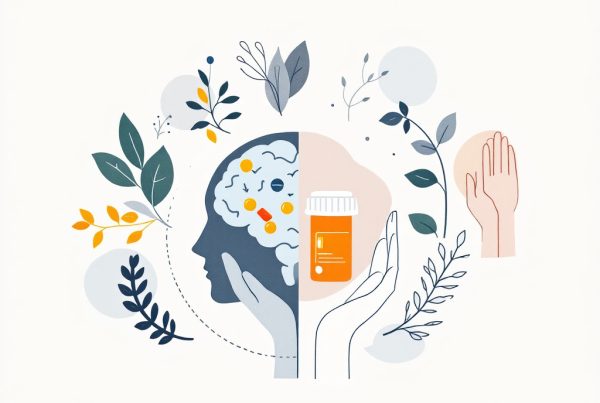
You’ve likely heard about the benefits of holistic therapies in addiction treatment, but what exactly makes these approaches so effective? Holistic therapy in addiction treatment works by addressing the whole person—your physical, emotional, social, and spiritual well-being—rather than focusing on just substance use alone. By integrating complementary methods such as yoga, mindfulness, art therapy, and nature-based activities with conventional care, you build stronger coping strategies, reduce relapse risk, and support lasting sobriety [1].
In holistic recovery, you aren’t simply a collection of symptoms. Instead, you’re seen as a complete individual with unique needs and strengths. This integrated perspective aligns well with evidence-based care, since it fills gaps that purely medical or purely talk-therapy approaches might leave behind. When you combine holistic therapies with modalities like cognitive behavioral therapy (CBT) and dialectical behavior therapy (DBT), you benefit from a truly comprehensive treatment plan, one proven to improve long-term outcomes [2].
Key features of holistic addiction treatment include:
- Multi-dimensional care addressing mind, body, and spirit
- Non-pharmacological interventions that reduce dependency on medications
- Emphasis on self-awareness, self-compassion, and personal empowerment
- Integration with medically supervised detox and mental health counseling
Before diving into specific modalities, let’s look at how these approaches complement traditional therapies:
| Aspect | Traditional focus | Holistic focus |
|---|---|---|
| Physical health | Medication management, detox | Exercise, nutrition, acupuncture |
| Emotional healing | Talk therapy, psychiatry | Art therapy, expressive dance, mindfulness |
| Social well-being | Group counseling, peer support | Nature therapy, recreational group activities |
| Spiritual balance | Limited or optional | Yoga, meditation, spiritual services |
By understanding how these pieces fit together, you’re better equipped to assess the real value of holistic therapies in addiction treatment and choose the path that aligns with your recovery goals.
Explore holistic modalities
Holistic therapy isn’t one-size-fits-all. Different approaches target varied aspects of your recovery journey. Below are the most widely researched modalities, along with evidence of their impact.
Yoga and mindfulness
Yoga and mindfulness meditation improve mental clarity, stress management, and emotional regulation. Research indicates that mindfulness-based practices combined with contingency management lead to higher program completion rates, reduced depression, and lower odds of stimulant use, especially for methamphetamine and cocaine disorders [3]. Benefits include:
- Reduced anxiety and cravings
- Enhanced focus and self-awareness
- Stronger coping skills for triggers
To explore specific techniques, check out our guide on mindfulness practices for addiction recovery.
Expressive arts therapy
Creative outlets like art, music, and dance therapy enable you to process trauma and express emotions without relying solely on words. A study found that expressive arts therapies improve program completion rates among those in addiction recovery [3]. Key advantages:
- Nonverbal communication of deep emotions
- Increased motivation to stay engaged
- Enhanced self-esteem through creative accomplishment
Nature-based interventions
Getting outdoors can be more than a mood booster. A 2024 review of 21 studies revealed that 85% showed positive outcomes for nature-based interventions—hiking, gardening, rafting, and even viewing natural scenes—resulting in reductions in cigarette and alcohol consumption and improvements in quality of life, self-efficacy, and stress levels [4]. For adolescents, nature therapy also supports social skills and self-concept development. Consider activities like community gardening or guided nature walks to harness these benefits.
Nutritional and exercise therapy
Good nutrition and physical activity lay the foundation for healing. Strength training and aerobic exercise, when paired with standard treatments for methamphetamine addiction, reduce depression, anxiety, cravings, and drug use while promoting healthy lifestyle habits that support long-term recovery [3]. Nutritional therapy addresses deficiencies and stabilizes mood, helping you feel stronger physically and mentally.
Other holistic methods
Additional proven therapies include:
- Acupuncture and massage for withdrawal symptoms and relaxation [5]
- Tai chi for improved balance, focus, and stress reduction [1]
- Spiritual services for deeper meaning and connection
Each modality can be tailored to your needs, creating a personalized mosaic of healing tools.
Review evidence-based outcomes
When evaluating holistic therapies, it’s crucial to examine real-world results. Below we summarize key findings that demonstrate the effectiveness of integrative approaches.
Enhanced completion rates
Combining holistic methods with conventional treatments yields higher program completion and abstinence rates. For example, mindfulness plus contingency management increased retention and reduced stimulant use severity [3]. Likewise, expressive arts boosted completion among diverse populations.
Improved mental health
Holistic interventions—especially yoga, mindfulness, and nature-based activities—consistently reduce anxiety, depression, and stress, all common triggers for relapse. The 2024 nature review noted improved emotional resilience and lower cortisol levels, underscoring the physiological impact of environment-centered therapies [4].
Physical health benefits
Exercise and nutritional therapies strengthen your body, mitigating the physical toll of substance use. Studies show that structured fitness programs reduce withdrawal symptoms and cravings, while nutritional counseling addresses deficiencies that can exacerbate mood swings and fatigue [1].
Social and spiritual gains
Group outdoor activities, creative classes, and spiritual services foster connection and community. These experiences combat isolation, build support networks, and introduce positive lifestyle rituals, all of which are key factors in sustained recovery [6].
See Phoenix Recovery integration
At Phoenix Recovery, we combine the best of holistic and clinical therapies to meet your unique needs. Here’s how our integrated model maximizes the benefits you can trust.
Blending cbt and dbt
Our team incorporates CBT and DBT alongside holistic practices to support both thought-pattern reframing and emotional regulation. When you work with us, you benefit from a dual-diagnosis approach that addresses mental health and substance use concurrently [7], and you can also explore the benefits of dbt for substance use disorders for deeper insights.
EMDR and trauma care
Trauma often underlies addiction. We provide EMDR therapy in a trauma-informed environment to help you process past wounds safely and effectively [8]. By integrating mindfulness and body-based techniques, EMDR sessions can feel less overwhelming and more grounded.
Mindfulness practices
Mindfulness is woven throughout our curriculum. You’ll engage in guided meditation, breathwork, and gentle yoga tailored to addiction recovery, reinforcing lessons from individual and group therapy [9]. These exercises help you stay present, manage cravings, and cultivate self-compassion.
Family and group approaches
Supportive relationships boost your chance of success. Phoenix Recovery offers family therapy sessions to heal relational wounds and teach healthy communication [10]. In our gender-specific and mixed-gender groups, you’ll learn peer accountability, practice new coping skills, and find community [11].
Plan your holistic journey
Moving forward, a clear roadmap helps you stay focused and motivated. Use these steps to chart your path.
Choosing the right program
Evaluate centers based on:
- Range of holistic modalities offered
- Credentials of therapists and instructors
- Integration with evidence-based care
- Client success metrics and testimonials
Ask about personalized plans, group sizes, and opportunities for family involvement to ensure a good fit.
Setting realistic goals
Define SMART goals—specific, measurable, achievable, relevant, and time-bound—to guide your progress. For example: “I will attend three mindfulness sessions per week for six weeks to reduce anxiety by 25 percent.” Clear objectives help you track improvements and stay accountable.
Measuring progress
Use a combination of self-report scales, therapist assessments, and objective markers (sleep quality, exercise logs, nutrition journals) to gauge success. Regular check-ins allow you to adjust your plan, celebrate milestones, and address emerging challenges.
Embrace holistic benefits
You’ve seen the evidence: holistic therapies in addiction treatment offer real, measurable benefits that complement clinical care. By addressing your mind, body, and spirit, these approaches fill critical gaps in traditional programs, boost engagement, and foster lasting change. At Phoenix Recovery, our integrated model ensures you receive individualized support—combining CBT, DBT, EMDR, mindfulness, family therapy, and evidence-backed holistic modalities—to set you on a path to enduring sobriety.
If you’re ready to explore how holistic therapies can transform your recovery journey, contact Phoenix Recovery today. Your whole-person healing starts now.
References
- (Addiction Center)
- (why evidence-based care improves long-term sobriety)
- (Oxford Treatment)
- (Environmental Health and Preventive Medicine)
- (English Mountain)
- (Kemah Palms)
- (combining cbt and dbt for dual diagnosis patients)
- (emdr therapy for trauma-driven addiction, trauma-informed care in modern addiction treatment)
- (mindfulness practices for addiction recovery)
- (how family therapy strengthens the recovery process)
- (what to expect in group therapy at phoenix recovery)