


Understand psychiatric medication management
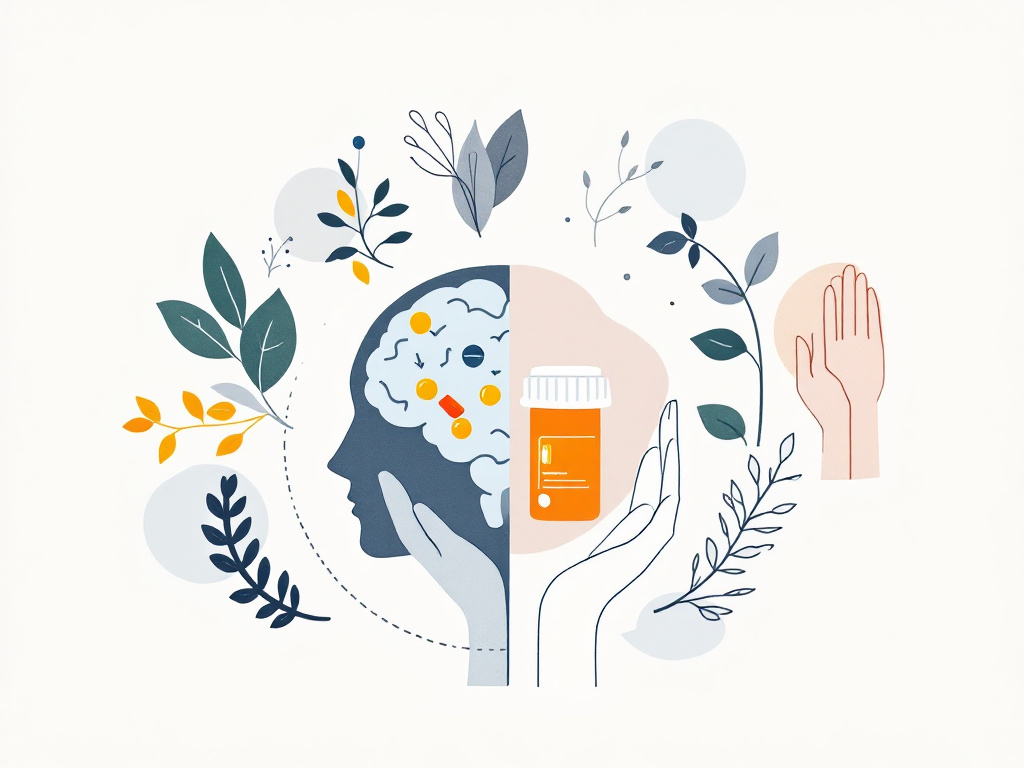
When you’re focused on understanding the role of psychiatric medication management, you’re diving into a structured process that ensures medications support your overall treatment goals. Psychiatric medication management involves prescribing, monitoring, and adjusting psychotropic medications in collaboration with you and a qualified provider to optimize effectiveness while minimizing side effects. This approach is integral to many mental health and addiction treatment plans, offering symptom relief that enables greater engagement in therapies and daily activities.
Conduct a comprehensive psychiatric evaluation
The first step in psychiatric medication management is a thorough evaluation. During this stage your psychiatrist or psychiatric nurse practitioner will review your symptoms, medical history, family background, and any previous medication trials. This detailed assessment helps select the most appropriate class of medications—whether antidepressants, mood stabilizers, or antipsychotics. A comprehensive evaluation allows your provider to:
- Identify contraindications and potential drug interactions
- Gauge symptom severity and co-occurring disorders
- Understand your treatment history and preferences
This foundation guides a medication plan that aligns with your unique needs and recovery goals.
Develop an individualized medication plan
Once your evaluation is complete, your provider will create a tailored medication plan. This plan outlines:
- Medication choices and dosages
- Expected onset of benefits and side effects
- Duration of treatment phases (acute, continuation, maintenance)
Research shows that combining pharmacotherapy with psychotherapy often yields better outcomes than either alone, particularly in depression treatment [1]. Your treatment plan will factor in the timing of therapy sessions—such as cognitive behavioral therapy (CBT) or dialectical behavior therapy (DBT)—to maximize the synergy between medications and talk therapies.
Plan ongoing monitoring and follow-up
Psychiatric medication management is dynamic rather than static. Ongoing monitoring and regular follow-up appointments are essential to:
- Track symptom changes and functional improvements
- Identify and address side effects early
- Adjust dosages or switch medications as needed
Telehealth options can enhance accessibility for follow-up visits, though controlled substances still require in-person assessments [2]. With consistent check-ins, you and your provider maintain open communication to ensure the optimal path to stability and recovery.
Explore evidence-based psychotherapies
Medication management is most effective when integrated with proven therapeutic approaches. At Phoenix Recovery, evidence-based therapies such as CBT, DBT, EMDR, and mindfulness practices are woven into your comprehensive treatment plan, promoting holistic healing and long-term sobriety.
Cognitive behavioral therapy
CBT helps you identify and rewire negative thought patterns that fuel mood disturbances and addictive behaviors. By practicing cognitive restructuring and behavioral experiments, you learn coping strategies that complement medication effects. For a deeper dive into integrating CBT with other modalities, see how combining cbt and dbt for dual diagnosis patients enhances outcomes.
Dialectical behavior therapy
DBT adds skills training in emotional regulation, distress tolerance, interpersonal effectiveness, and mindfulness. These tools foster resilience when you experience triggers or cravings. Research highlights DBT’s efficacy for substance use disorders, bolstering both emotional stability and adherence to medication regimens [3].
Eye movement desensitization and reprocessing
For trauma-driven addiction, EMDR can help you process painful memories that underlie substance use. By pairing eye movements with trauma recall, EMDR reduces the emotional charge of traumatic events, letting you engage more fully in medication management and other therapies. Learn more in our guide on emdr therapy for trauma-driven addiction.
Mindfulness practices
Mindfulness teaches you to observe thoughts and sensations without judgment, strengthening your ability to cope with stress and cravings. Mindfulness can also improve medication adherence by keeping you present and aware of your treatment benefits. Explore practical exercises in mindfulness practices for addiction recovery.
Examine common psychiatric medications
Understanding the classes of psychiatric medications helps you appreciate their roles, onset times, and potential side effects. Below is an overview of widely prescribed agents and how they fit into your treatment.
Antidepressants: SSRIs and SNRIs
Selective serotonin reuptake inhibitors (SSRIs) and serotonin-norepinephrine reuptake inhibitors (SNRIs) are primary treatments for depression and anxiety. They generally take 4 to 8 weeks to show full effects on mood, sleep, appetite, and energy. Common examples include:
| Medication class | Examples | Onset time | Common side effects |
|---|---|---|---|
| SSRIs | Sertraline, fluoxetine | 4–8 weeks | Nausea, headache, sexual dysfunction |
| SNRIs | Venlafaxine, duloxetine | 4–8 weeks | Dry mouth, sweating, dizziness |
Children, teenagers, and young adults under 25 should be closely monitored for suicidal thoughts, especially early in treatment [4].
Benzodiazepines
Benzodiazepines provide rapid relief for acute anxiety and insomnia but carry risks of tolerance and dependence if used long term. Providers typically prescribe them for short durations and taper doses slowly to avoid withdrawal symptoms [4]. Examples include:
- Lorazepam
- Alprazolam
These medications are best used as a bridge to longer-term treatments like CBT.
Mood stabilizers
Mood stabilizers such as lithium and valproate are key in managing bipolar disorder. They help prevent mood swings and reduce suicide risk when maintained at therapeutic levels. Regular blood tests monitor lithium levels and organ function [4].
Antipsychotics
Atypical antipsychotics treat psychosis, severe mood instability, and sometimes augment antidepressants. Examples include risperidone and quetiapine. They require monitoring for weight gain and metabolic changes, and clozapine demands especially frequent blood tests due to rare but serious side effects.
Stimulants and other agents
Stimulants like methylphenidate and amphetamines address attention-deficit/hyperactivity disorder, improving focus and energy levels under medical supervision. Off-label beta-blockers may control physical anxiety symptoms but are contraindicated in asthma or diabetes [4].
Esketamine for treatment-resistant depression
Esketamine nasal spray acts quickly—often within hours—for individuals whose symptoms do not respond to at least two antidepressants. Used alongside oral antidepressants, it offers a promising option for rapid relief in severe cases [4].
Assess collaborative treatment planning
Effective medication management depends on collaboration among your psychiatric provider, therapists, and other health care professionals. You play an active role in:
- Communicating treatment goals and concerns
- Reporting symptom changes and side effects promptly
- Participating in shared decision-making
This collaborative model ensures medication adjustments align with therapy progress, daily functioning, and long-term recovery objectives. For insights into how therapy and medication work hand in hand, see why evidence-based care improves long-term sobriety.
Monitor and adjust medication regimens
Regular follow-ups—whether in person or via telehealth—are vital for evaluating treatment response. Your provider will:
- Review symptom scales and personal feedback
- Evaluate side effect profiles and lab results
- Titrate dosages or switch medications based on clinical response
Implementing timely adjustments helps maintain therapeutic benefits and reduces the risk of relapse. Telepsychiatry can improve access to these critical check-ins, especially if you face geographic or mobility barriers.
Integrate holistic and psychotherapeutic modalities
Medication often stabilizes symptoms, but integrating holistic and experiential approaches fosters deeper healing and resilience.
Family therapy and support networks
Engaging loved ones in therapy strengthens your recovery environment and builds a support network that reinforces medication adherence and healthy coping strategies. Learn more about involving family in your journey in how family therapy strengthens the recovery process.
Experiential and motivational methods
Techniques like art therapy, adventure therapy, and motivational interviewing help you explore emotions and boost intrinsic motivation for change. These approaches complement medication by enhancing emotional awareness and goal setting [5].
Trauma-informed interventions
Addressing trauma through targeted modalities such as somatic experiencing or trauma-focused CBT allows you to process underlying issues that may drive substance use. Combining these therapies with medication management creates a comprehensive healing framework, as detailed in trauma-informed care in modern addiction treatment.
Address patient education and engagement
Education empowers you to play an active role in medication management. Key components include:
- Understanding medication purposes, expected benefits, and side effects
- Learning proper administration and storage
- Recognizing signs of adverse reactions and when to seek help
Dispelling myths about psychiatric medications improves adherence and reduces stigma [6]. Ongoing education encourages open dialogue with your providers and fosters a sense of ownership over your treatment.
Measure outcomes and long-term support
Long-term recovery hinges on tracking outcomes and sustaining gains. You and your care team can:
- Use validated tools to measure symptom reduction and quality of life
- Establish relapse prevention strategies through relapse prevention therapy: skills that stick
- Incorporate life skills training for daily stress management [7]
Continuing at least one active treatment component—whether pharmacotherapy or psychotherapy—during the maintenance phase has been shown to lower relapse rates and support lasting wellness [1].
Conclusion
By understanding the role of psychiatric medication management and integrating evidence-based therapies, you create a robust plan for symptom relief and long-term recovery. At Phoenix Recovery, our multidisciplinary team collaborates with you to tailor medication strategies, monitor progress, and blend clinical and holistic modalities. With informed choices and ongoing support, you can achieve greater stability, engage fully in therapy, and build a resilient foundation for sustained well-being.