


Many people struggle with alcohol use disorder (AUD) and alcohol addiction in the U.S. In fact, it is very possible that someone in your life is affected by AUD. Even individuals that consume alcohol and don’t exhibit signs of AUD may still be negatively affected by their alcohol consumption. These individuals may struggle with anxiety after drinking (also known as “hangxiety”). The good news is that if you or a loved one are struggling with hangxiety, there are solutions to foster healing and recovery.
What is Anxiety?
Millions of people struggle with mental health every day. One of the most common forms of mental illness is anxiety.
According to the latest statistics from the Centers for Disease Control and Prevention (CDC), “During 2019, 9.5%, 3.4%, and 2.7% of adults experienced mild, moderate, or severe symptoms of anxiety in the past 2 weeks, respectively, while 84.4% experienced no or minimal symptoms. The percentage of adults who experienced mild, moderate, or severe symptoms of anxiety was highest among those aged 18-29 and decreased with age.” Also, “Women were more likely to experience mild, moderate, or severe symptoms of anxiety than men.” It is also important to note that issues of anxiety have increased dramatically since the COVID-19 pandemic.
Many people misconstrue diagnosed anxiety with symptoms of nervousness. Being nervous is natural at times; however, it is when this nervousness persists and starts to interfere with everyday life that one may be struggling with anxiety. According to the National Institute of Mental Health (NIMH), “Many people worry about things such as health, money, school, work, or family. However, anxiety disorders involve more than occasional worry or fear. For people with these disorders, anxiety does not go away, is felt in many situations, and can get worse over time.” Many people also experience hangovers and distressing symptoms of anxiety that can be highly disruptive to a healthy lifestyle.
Understanding Hangovers
Many people have experienced a hangover in their lives. For most people, this hangover will serve as a warning not to drink so much in the future. However, for millions of people, hangovers have become a part of everyday life. This includes regular hangxiety (anxiety after drinking).
So, what exactly is a hangover? According to the National Institute on Alcohol Abuse and Alcoholism (NIAAA), “A hangover refers to a set of symptoms that occur as a consequence of drinking too much. Typical symptoms include fatigue, weakness, thirst, headache, muscle aches, nausea, stomach pain, vertigo, sensitivity to light and sound, anxiety, irritability, sweating, and increased blood pressure. A hangover can vary from person to person.” Now, the question becomes, what makes a typical hangover different from hangxiety?
Hangxiety: Identifying Anxiety After Drinking
Anxiety after drinking can exist in tandem with other issues. According to the Journal of Clinical Medicine, “[I]ndividuals who use alcohol to cope with depression and anxiety may be more likely to experience negative consequences related to alcohol use, such as blacking out. Given these connections between emotional well-being and alcohol use, it is possible that hangover pathology may also be related to emotional well-being.”
Anxiety after drinking can come with its own set of negative aspects when it comes to the likelihood of becoming addicted. This is because someone experiencing hangxiety may continue to drink to “self-medicate” for the emotions they are feeling. When this goes on for too long, the chances of addiction rise exponentially.
Hangxiety: The Signs of Anxiety After Drinking
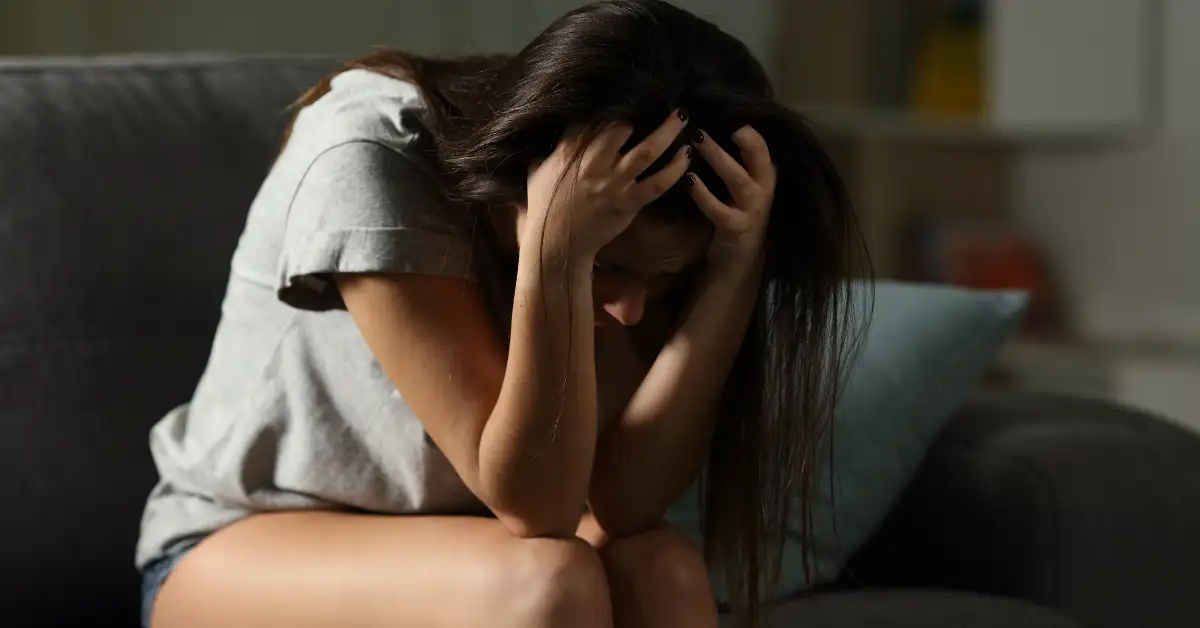
The symptoms of hangxiety are going to vary based on the individual. However, there are some more universal signs. The following are just a few of those signs and symptoms:
- Continuing to drink to get rid of a hangover
- Isolating away from loved ones
- Losing interest in activities once enjoyed
- Feeling afraid without reasonable cause
- Having feelings of depression
- Experiencing the feeling like one wants to hurt themself or others
- Having suicidal ideations
As you can see, these are significant symptoms that require a serious solution. This is why reaching out to an addiction specialist or recovery center right away is paramount. Doing so could mean the difference between experiencing short-term side effects and long-term consequences.
Recovering From Hangxiety With The Phoenix Recovery Center
Here at The Phoenix Recovery Center, we believe in long-term success over short-term “fixes.” This is why our recovery plans are all individualized and comprehensive, with a focus on the future.
If you feel like you or a loved one are struggling with hangxiety, you don’t have to struggle anymore. There is a solution. We can help!
Many people are unfamiliar with the phenomenon of hangxiety, defined as anxiety that some people experience after consuming alcohol. It can be helpful to examine its causes, symptoms, and coping strategies to better help you understand your feelings and make informed choices about your drinking habits. If you struggle with anxiety after drinking, the good news is there are many effective means, methods, and modalities for recovery. If you or a loved one are struggling with issues of addiction, mental illness, or both, we can help get you on the right road to recovery right away. You don’t have to go through this process alone. To begin your healing journey complete this short form or call The Phoenix Recovery Center at (801) 438-3185.