
When you pursue therapy for co-occurring disorders, you commit to healing both your mind and your body in harmony. This approach recognizes the unique challenges of managing mental health symptoms alongside substance use issues. Within a supportive environment, you will find tailored treatment programs and comprehensive care designed to meet your individual needs. By combining clinical therapies, experiential experiences, and holistic modalities, you can build an individualized plan that fosters resilience and promotes long-term stability. With expert guidance and evidence-based practices, you have the power to transform your life and reclaim your sense of purpose.
Understand co-occurring disorders
Managing a dual diagnosis involves confronting two intertwined conditions—often a substance use disorder and a mental health issue such as depression, anxiety, or post-traumatic stress. These overlapping struggles can create a feedback loop in which each disorder intensifies the other, making it difficult to achieve recovery without specialized, integrated support.
Dual diagnosis explained
Dual diagnosis means that you are experiencing a substance use disorder concurrently with a mental health condition. For instance, if you are coping with major depressive disorder, you might use alcohol to numb emotional pain, but excessive drinking can worsen depressive symptoms. Likewise, undiagnosed PTSD might lead you to self-medicate with opioids or stimulants, perpetuating trauma-related distress. Recognizing this interrelationship sets the stage for interventions that address both elements simultaneously.
Prevalence and impact
Approximately 50 percent of people with a substance use disorder also have a co-occurring mental health condition, and vice versa. In 2023, an estimated 20.4 million U.S. adults faced this complex intersection of disorders [1]. Co-occurring disorders can lead to:
- More severe symptoms and faster relapse rates
- Increased risk of hospitalization and emergency visits
- Challenges in diagnosis when one disorder masks the other
Addressing both conditions at once reduces the chance of misdiagnosis and creates a clearer path toward recovery.
Challenges in treatment
Traditional treatment systems often struggle to deliver integrated care. Common barriers include:
- Organizational failure to sustain dual-diagnosis programming
- Limited specialized training for treating co-occurring disorders
- Diagnostic and billing restrictions focusing on a single disorder
- Fragmented services, lengthy waitlists, and abbreviated treatment durations
Understanding these obstacles underscores the importance of seeking a program that prioritizes integrated therapies from the outset [2].
Explore integrated treatment
Integrated treatment models combine mental health and substance use interventions within a unified framework. When you engage with a comprehensive program, every aspect of your well-being is considered in tandem with your recovery goals.
Integrated care model
In an integrated care setting, psychiatrists, therapists, medical professionals, and case managers collaborate closely to deliver cohesive services. SAMHSA’s “no wrong door” policy requires all entry points of care—whether primary care, mental health clinics, or addiction services—to screen for both mental health and substance use disorders and connect you to the appropriate support [3]. As a result, you benefit from:
- Streamlined communication between providers
- Coordinated treatment planning and goal setting
- A single care team that tracks your progress across modalities
This continuity fosters trust and ensures nothing falls through the cracks.
Benefits of integrated approach
Evidence shows that integrated therapy for co-occurring disorders enhances outcomes compared to fragmented care. Key benefits include:
- Higher rates of treatment retention and program completion
- Reduced hospitalizations and emergency department visits
- Greater motivation to participate in recovery interventions [4]
- Improved symptom management across both mental health and substance use
- Increased cost-effectiveness and client satisfaction [5]
With an integrated strategy, you receive the comprehensive care necessary to address the full spectrum of your needs.
Outreach and case management
Intensive models like Assertive Community Treatment (ACT) and Integrated Case Management (ICM) extend care beyond the clinical setting. ACT teams often include psychiatrists, nurses, and peer specialists who provide regular home visits, medication support, and crisis intervention. ICM focuses on brokering community services—such as housing, employment, and social support—while offering direct counseling and skills training. These outreach programs help you stay connected to resources, reduce hospital readmissions, and maintain progress as you reintegrate into daily life.
Evaluate clinical therapies
Clinical therapies form the evidence-based foundation of comprehensive treatment. The right mix of modalities addresses your thought patterns, emotions, memories, and physiological responses.
| Therapy | Focus area | Internal link |
|---|---|---|
| Cognitive behavioral therapy | Restructuring negative thought patterns | cognitive behavioral therapy for addiction |
| Dialectical behavior therapy | Emotional regulation and interpersonal skills | dialectical behavioral therapy for addiction |
| Eye movement desensitization and reprocessing | Trauma processing | emdr therapy for addiction |
| Medication-assisted treatment | Medical stabilization and craving reduction | medication-assisted treatment |
Cognitive behavioral therapy
Cognitive behavioral therapy (CBT) helps you identify and change harmful thought patterns that drive substance use and emotional distress. Through weekly sessions and guided homework—like thought records and behavioral experiments—you develop healthier coping strategies to manage cravings, reduce anxiety, and prevent relapse. Typically delivered over 12 to 20 sessions, CBT equips you with practical tools for everyday challenges. Explore cbt therapy for recovery or cbt for substance abuse treatment to learn more.
Dialectical behavior therapy
Dialectical behavior therapy (DBT) offers a structured approach to handling intense emotions and improving relationships. DBT programs often include weekly group skills training and individual coaching focused on:
- Mindfulness to increase self-awareness
- Distress tolerance for crisis management
- Emotional regulation to balance mood swings
- Interpersonal effectiveness for healthier communication
By practicing these skills, you can reduce impulsive behaviors and build stronger support networks. Learn more at dbt for substance use disorder and dbt skills for relapse prevention.
Eye movement desensitization and reprocessing
EMDR therapy helps you process traumatic memories through guided bilateral stimulation, typically following an eight-phase protocol. By desensitizing painful events and reframing them, you can reduce emotional distress and the urge to self-medicate. This trauma-informed approach often accelerates recovery when trauma underlies addiction. For more on trauma-focused care, see trauma therapy in addiction recovery or emdr for trauma and substance abuse.
Medication-assisted treatment
Medication-assisted treatment (MAT) combines FDA-approved medications—such as buprenorphine, methadone, or naltrexone—with counseling to reduce cravings and ease withdrawal. By stabilizing brain chemistry, MAT makes it easier to engage in therapy and supports long-term abstinence. Whether you are interested in mat for opioid addiction or mat for alcohol addiction, integrating medication with behavioral support enhances your likelihood of success.
Discover holistic modalities
Holistic therapies complement clinical treatments by nurturing your emotional, physical, and spiritual well-being. These practices cultivate self-awareness and fortify resilience.
Mindfulness-based approaches
Mindfulness teaches you to observe thoughts and emotions without judgment through practices such as meditation, breathing exercises, and body scans. Programs like mindfulness-based relapse prevention and mindfulness therapy for addiction help you face cravings calmly, lower anxiety, and strengthen focus.
Experiential therapy
Experiential therapy engages your senses and creativity through art or music therapy, equine-assisted activities, or adventure workshops. By participating in experiential therapy for addiction, you can express feelings nonverbally, build trust, and uncover insights that might remain hidden in traditional talk therapy.
Life skills training
Life skills programs cover time management, financial literacy, and healthy daily routines. Through life skills therapy in recovery, you gain practical tools to navigate work, school, and relationships with confidence and independence.
Stress management therapy
Stress management interventions teach progressive muscle relaxation, biofeedback, and stress journaling techniques. Incorporating stress management therapy for addiction recovery into your plan equips you to identify and counteract stress before it triggers relapse.
Fusing holistic practices with clinical therapies creates a well-rounded recovery experience. While evidence-based treatments target specific symptoms, complementary modalities nurture your overall well-being. For example, pairing mindfulness exercises with CBT can enhance emotional regulation, while experiential workshops build self-esteem that reinforces therapy insights. When you embrace a diverse toolkit—addressing mind, body, and spirit—you lay the groundwork for resilient, sustainable recovery.
Include family and peer support
Recovery thrives when you involve loved ones and your peer community. These connections offer accountability, understanding, and motivation that bolster your journey.
Family therapy
Family therapy provides a structured space to explore relational patterns and improve dynamics. Sessions may focus on:
- Effective communication and active listening
- Boundary setting to maintain healthy roles
- Cooperative problem-solving for conflict resolution
Engaging relatives through family therapy for addiction recovery or family therapy in substance abuse treatment strengthens your support network and fosters healing for everyone involved.
Group therapy
Group therapy harnesses the power of shared experience. Formats include psychoeducational groups teaching relapse prevention strategies, process groups that explore emotional themes, and skills-based groups focused on emotional regulation or communication. Joining group therapy for addiction recovery or group counseling sessions for recovery connects you with peers who understand your journey.
Peer support groups
Peer-led recovery groups such as 12-step fellowships offer ongoing encouragement and accountability. Benefits include:
- Empathy from individuals who have walked your path
- Practical advice for handling daily challenges
- A sense of belonging and purpose
Pairing peer support with clinical and holistic therapies ensures a well-rounded, sustained recovery.
Develop personalized treatment plan
A personalized treatment plan aligns every aspect of your care with your unique history, strengths, and goals. This dynamic approach adapts as you progress.
Assessment and screening
Comprehensive assessments combine clinical interviews, standardized measures, and medical evaluations to identify mental health diagnoses and substance use patterns. Early screening enables integrated programming from day one, ensuring all aspects of your health are addressed precisely.
Tailored treatment elements
Based on your assessment, your team selects a blend of interventions, which may include:
- Individual therapy for addiction or counseling
- CBT, DBT, EMDR, and MAT
- Holistic practices like mindfulness and life skills training
- Medication management through psychiatric medication management
This customized plan provides the support necessary for lasting recovery.
Relapse prevention and aftercare
After intensive treatment, you continue with services such as:
- Relapse prevention therapy
- Coping skills training for recovery
- Emotional regulation therapy
- Motivational interviewing in addiction treatment
These options help you anticipate challenges, maintain motivation, and adapt your plan as new circumstances arise.
Your personalized plan evolves through regular review. Weekly team meetings ensure that session frequency, treatment types, and goals reflect your progress. Quarterly care reviews adjust your strategies to match life changes—such as job demands or family responsibilities. This collaborative, evolving process empowers you to remain proactive in your healing.
Commit to long-term recovery
Recovery is a journey that extends well beyond the walls of the treatment center. By committing to continual growth and connection, you lay the groundwork for a fulfilling life in recovery.
Sustaining your progress
To maintain momentum:
- Participate in alumni and aftercare programs
- Schedule regular therapy check-ins, in person or via telehealth
- Continue self-care routines—exercise, balanced nutrition, and mindfulness
- Set new personal and professional goals to reinforce purpose
Staying active within a recovery community offers encouragement and accountability as you navigate life’s transitions.
Partner with Phoenix Recovery Center
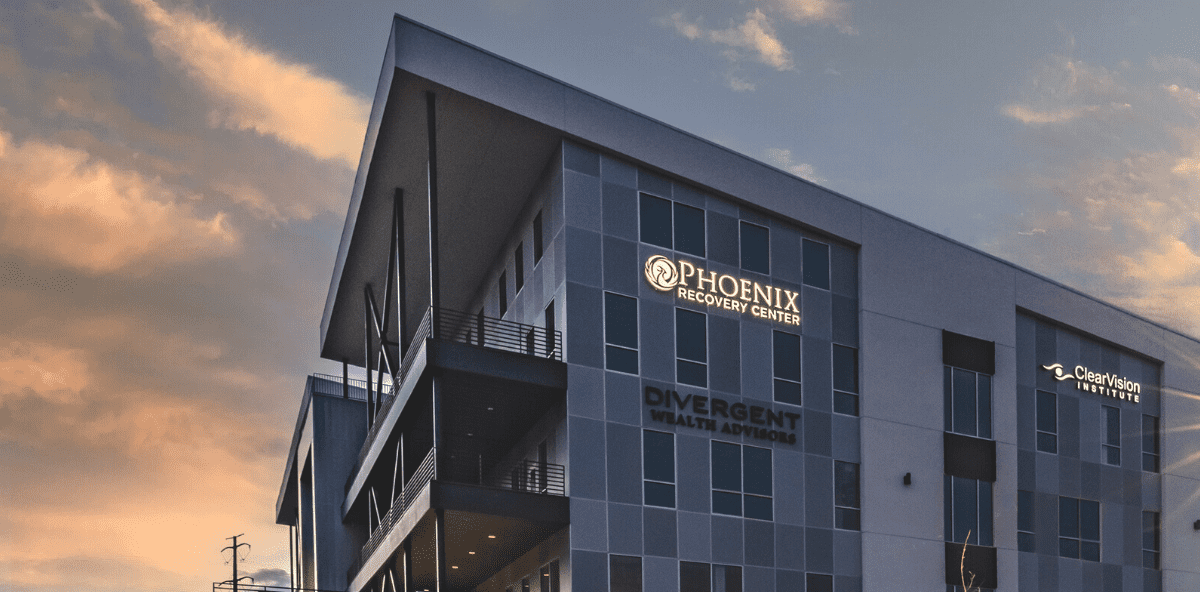
At Phoenix Recovery Center, you will benefit from a multidisciplinary team committed to your holistic well-being. Our serene campus features private rooms, outdoor recreation areas, and dedicated therapy spaces. Licensed professionals collaborate with wellness coaches and peer mentors to deliver consistent support. We partner with community organizations for aftercare events, online resources, and peer mentorship groups. Through tailored treatment programs and individualized plans, we ensure you receive the support necessary for lasting recovery.
Next steps might include:
- Scheduling a confidential phone consultation
- Touring our facilities to experience the environment firsthand
- Meeting with an admissions coordinator to review payment and insurance options
- Establishing your personalized start date for treatment
Reach out to our admissions team today and begin your journey toward healing and transformation. We are here to support you every step of the way.