


Admissions coordinators available every day, 6:00 a.m. – 9:00 p.m.
Addiction Residential Treatment
Residential Addiction Treatment Program (Inpatient Rehab) for Adults
Expert Alcohol & Drug Rehab Treatment for Adults

Full Continuum of Care in the Salt Lake City, UT Metropolitan Area
44
Residential beds
24/7
Clinical support
4+
Levels of care
Dual diagnosis
Mental health + addiction tracks
About the Program
24/7 Residential Care for Addiction Recovery
The Phoenix Recovery Center (TPRC) offers residential (inpatient) addiction treatment for adults in the Utah Valley who need round-the-clock structure and support in a safe, stay-on-site setting. Our residential program is the highest level of care in our full continuum, giving you a stable, distraction-free environment to focus entirely on early recovery before stepping down to daytime and outpatient programs.
The Phoenix Recovery Center (TPRC) treatment for mental health, addiction recovery, and dual diagnosis patients who want to work on both behavioral health skill sets. Our trauma-informed and personalized care plans for each individual addresses the whole person: mentally, physically, socially, emotionally, and motivationally.
Who Is Residential Treatment Right For?
Our residential program is designed for adults (18+) who:
- Need a structured, 24/7 environment to stabilize in early recovery
- Are managing a substance use disorder, a mental health condition, or both (dual diagnosis)
- Benefit from being removed from the triggers and stressors of daily life while they build a foundation
- Are ready to begin a full continuum of care that steps down gradually to prevent relapse
Finding the Right Level of Care
TPRC has strong programming for people across a wide range of needs, and our dual-diagnosis approach means you can be treated for addiction, mental health, or both at the same time. If residential isn’t the right level of care for your situation, our admissions team will help you find the level that is, and we’re happy to coordinate a referral out if we’re not the best fit.
Whether you start with our residential program, partial hospitalization program (PHP), or intensive outpatient program (IOP), we’ll be with you through long-term recovery. As you step down from residential care to PHP, IOP, and general outpatient (GOP), you can continue sessions with your same primary therapist and Substance Use Disorder Counselor (LSUDC). Plus, all alumni are invited to attend our weekly CODA meetings.
Addictions Treated at The Phoenix Recovery Center (TPRC).
Still not sure what level of care is best for you? Our admissions staff can consult with you to determine the best fit with no obligation to commit. Call: (801) 438-3185
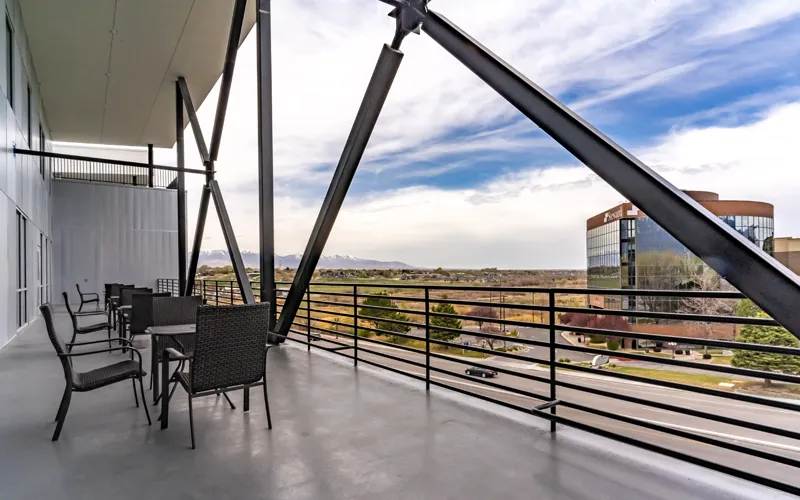
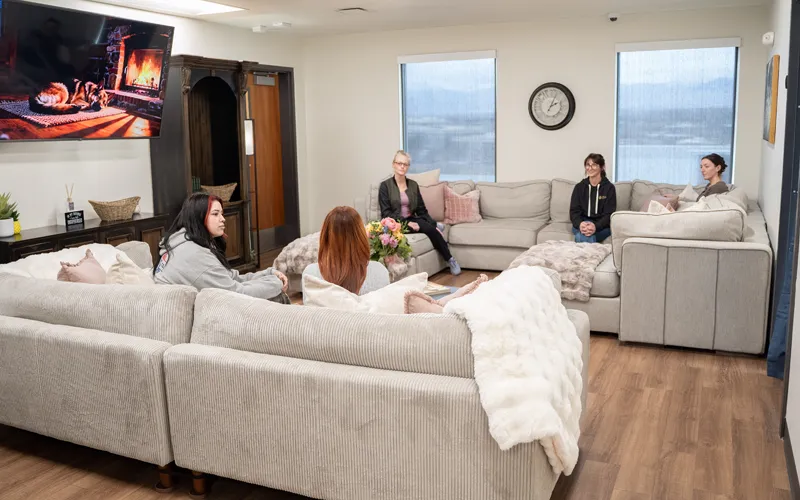
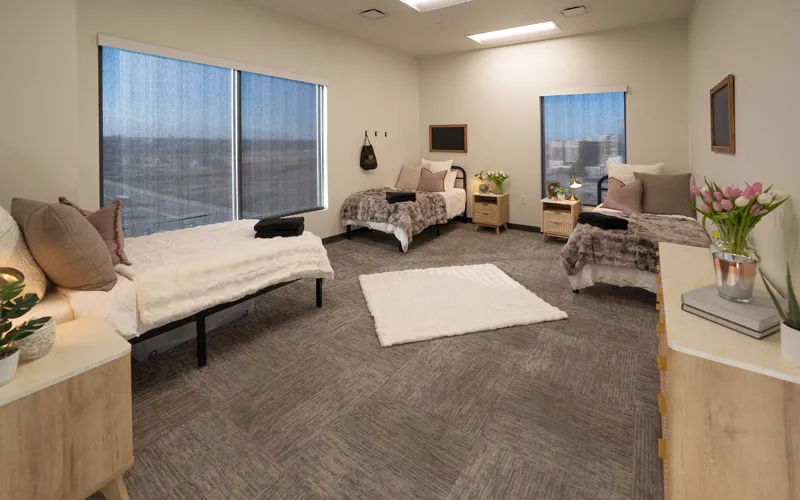
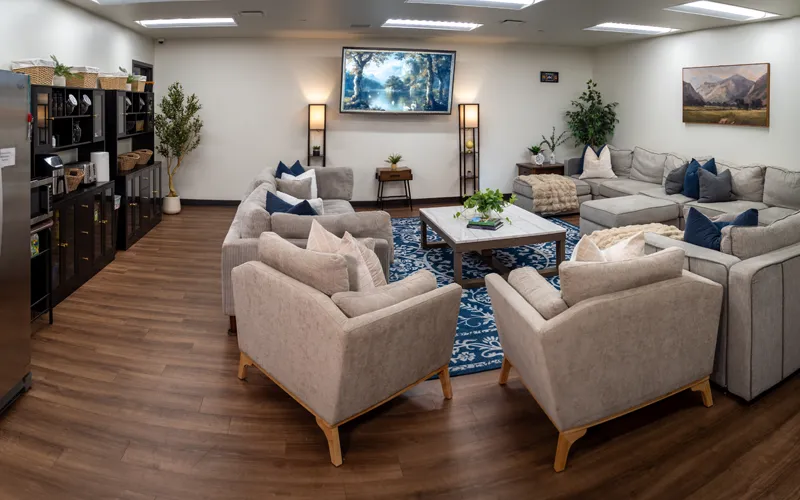
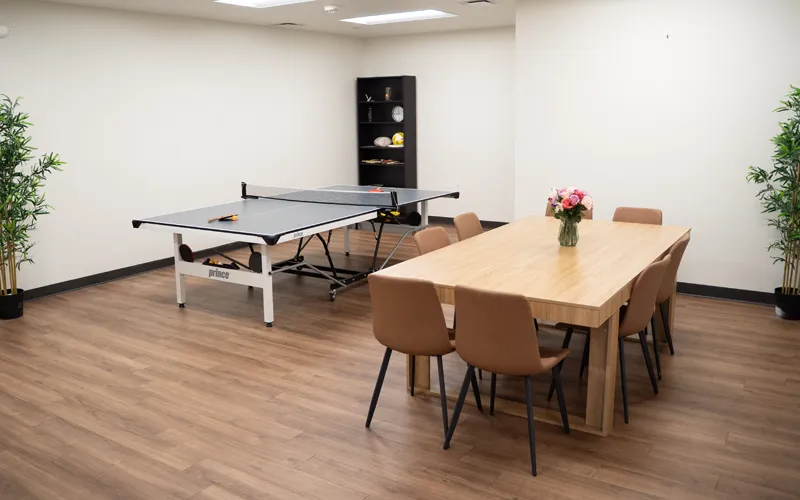
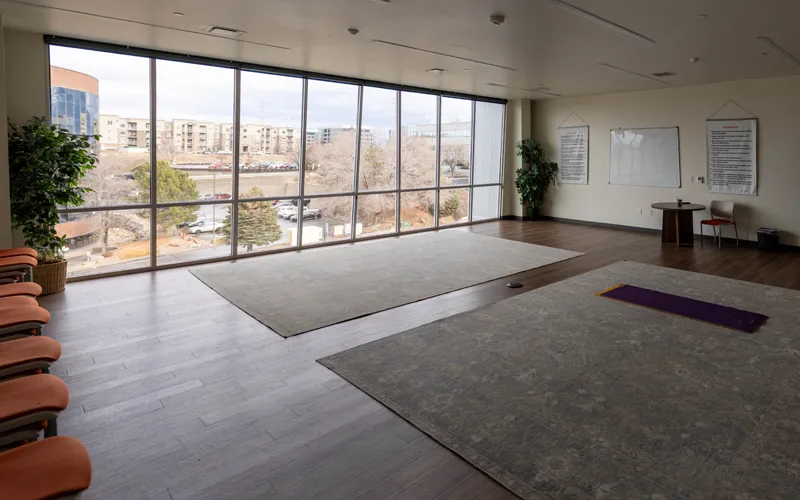
Residents stay in a curated, aesthetically clean, and comfortable environment — designed to support every step of healing.
South Jordan Campus • Utah
Our Residential Facility
Our residential program is housed under one roof at our South Jordan campus — not scattered across separate residential homes. Different floors of our facility support different levels of care, so your whole recovery journey happens in one trusted, accredited place.
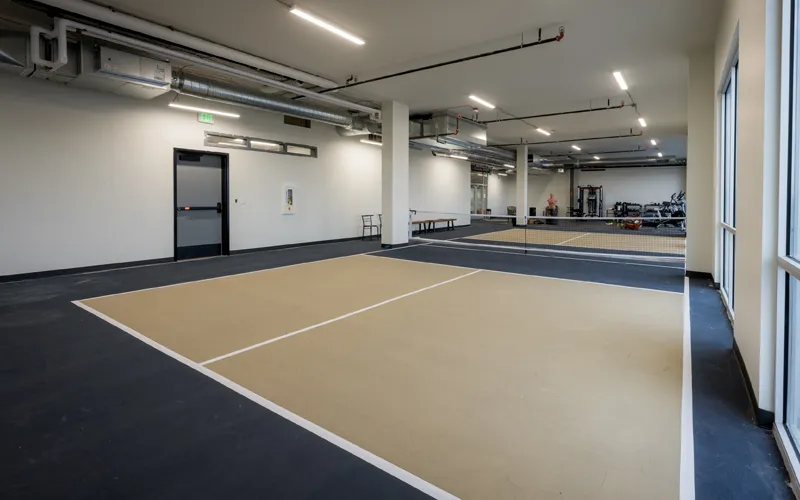
Residents stay in a curated, aesthetically clean, and comfortable environment. Since physical activity is increasingly recognized as a vital part of mental health and addiction treatment, we’ve included recreational facilities and activities to help residents restore their dopamine regulation and reduce stress during their stay.
Take a Tour of Our Facilities
THE PHOENIX RECOVERY CENTER’S FACILITY INCLUDES:


Visit Us
Located in South Jordan, UT
Our full continuum of care treatment center is located at 489 W South Jordan Pkwy Ste 400, South Jordan, UT 84095. We serve the entire Wasatch Front from Ogden in the North to Provo in the South, with many of our clients living in the Salt Lake metropolitan area.
Residents of Eagle Mountain, Saratoga Springs, Tooele, Erda, Stansbury Park, Mills Junction, and Lake Point are also within an hour’s drive. Finally, we can provide transportation to and from the Salt Lake City airport for out-of-state clients as needed.
Admissions & Insurance
Contact Us for a Free Consultation & Insurance Verification
Every Day 6:00 A.M. to 9:00 P.M.
Our admissions coordinators are ready to answer your questions, verify insurance, and start the intake process every day from 6:00 a.m. to 9:00 p.m. Call us at (801) 438-3185.
Prefer to reach out another way?
Fill out a contact form
Email us at admissions@thephoenixrc.com
Accepted Forms of Payment
Aetna
BlueCross Blue Shield
Cigna
Compsych
DMBA
Emi Health
Health Utah Network
Imagine Health
MotivHealth
PEHP Health & Benefits
Select Health
Tricare
United Behavioral Health
United Healthcare
University of Utah Health Plans
• MEDICAID PLANS ACCEPTED
The Phoenix Recovery Center (TPRC) also accepts Medicaid plans including the University of Utah Medicaid (Healthy U Medicaid), Health Choice Utah, and Utah State Medicaid, and Select Health Community Care.
We can take out-of-network insurances and/or cash pay, plus we provide financing options through Sunbit.
Your Treatment Journey
What Is the Residential Drug/Alcohol Treatment Program Like at TPRC?
Before beginning residential treatment, you’ll receive a biopsychosocial (BPS) assessment to determine the best-fit primary therapist. Within the first 5 days after admission, you’ll have a custom, individualized treatment plan that will be reviewed and refreshed every 30 days as needed during your recovery. Your treatment track can focus on mental health, addiction recovery, or both (AKA dual diagnosis). If you’re in the addiction or dual diagnosis treatment track, you will also receive a Substance Use Disorder Clinical Care (SUDC) provider to address addiction-specific behavioral health.
In residential care, you’ll live on site with 24/7 support and structure while participating in daily individual and group therapy. Our clinical model emphasizes distress tolerance, codependency and boundaries, shame resilience, and experiential activities, delivered by clinicians who each use their own blend of evidence-based modalities such as EMDR, DBT, CBT, IFS, and somatic therapy.
You’ll also continue with monthly medical check-ins with our Medical Director and/or facility psychiatrist.
After residential care, when you’re ready to step down to our partial hospitalization program (PHP), intensive outpatient program (IOP), or general outpatient program (GOP), you’ll continue with the same primary therapist and develop a Recovery Management Plan (AKA a roadmap for long-term and lasting recovery). This step-down model — from 24/7 residential care down to general outpatient support — is designed to reduce the risk of post-residential relapse. From there, you’ll also be invited to join weekly CODA meetings to maintain a recovery-minded community. We’re here for all of your recovery and sobriety.
Support Group Programming focuses on:
- Process Group
- DBT, Distress Tolerance, Codependency & Boundaries
- Shame Resilience, Meaning & Purpose
- Experiential Activities
- For the Addiction/Dual Diagnosis Track: Disease of Addiction, Memo to Self
- For the Mental Health Track: Mood and Trauma Groups
Why The Phoenix Recovery Center
What Sets The Phoenix Recovery Center Apart?
The Phoenix Recovery Center (TPRC) is Joint Commission accredited, LegitScript certified, and part of the Utah Association of Behavioral Health Organizations. Our facility has been named 5th in Utah for addiction treatment by Newsweek and is one of the 2026 Salt Lake City Titan award winners.
We’re proud to be founded as a truly integrated dual-diagnosis program, treating co-morbid mental health and substance use disorder simultaneously. Our outcomes-driven treatment plans are tailored and adapted as needed to meet the client’s needs. We also specialize in providing nuanced and holistic care for people with PTSD or trauma for whom past therapies have not provided lasting recovery.
As a full-continuum care program, we want to be where our clients are so they can maintain their local support network during and after recovery. We’re deeply embedded in our Salt Lake City and Utah community. We partner with and refer patients who are better fit for other trusted, local medical facilities including, the University of Utah, the OCD & Anxiety Center, Center for Change, local hospitals, social workers, and more.
We equip patients and their families with the knowledge and skills needed to manage mental and behavioral health and live a meaningful life. We encourage each person to determine and pursue the spirituality, religion, and/or meaning-making approach that best supports their healing journey.
Our Clinicians
Meet the Team Behind Your Recovery
The Phoenix Recovery Center’s clinical team brings together therapists, licensed social workers, and certified substance use disorder counselors with decades of combined experience treating addiction, trauma, and co-occurring mental health conditions. Our clinicians hold credentials including LCSW, LSUDC, AMFT, ACMHC, and CSW. They each use their own blend of evidence-based modalities such as EMDR, DBT, CBT, IFS, and somatic therapy.
Many have worked across the full continuum of care from community mental health and intensive outpatient to residential treatment. Several bring the added depth of personal recovery experience. Our team is united by a shared belief that lasting healing happens through genuine connection, honesty, and whole-person care.
ALUMNI STORIES
See What Our Alumni and Their Families Have to Say About TPRC


COMMON QUESTIONS
FAQ’S
Does TPRC provide medical detox?
TPRC does not provide medical detox on site. Many people can begin recovery directly in residential treatment, but if detox is needed first, our admissions team will coordinate a referral to a trusted local detox provider and help you transition into our residential program once you’re medically stable.
Does TPRC accept Medicaid for residential treatment?
Yes, TPRC is in-network with managed Medicaid plans including Select Health Community Care and University of Utah Health (Healthy U Medicaid), which operate similarly to private insurance. Our admissions team can verify your specific plan for free.
Does TPRC offer same-day admission?
Yes, TPRC offers same day admission when it’s clinically appropriate, TPRC can admit the same day you call. Our admissions team is available daily from 6:00 a.m. to 9:00 p.m. to answer questions, verify your insurance for free, and start intake right away. If detox is needed first, we’ll coordinate a referral and bring you into our program once you’re medically stable. Call (801) 438-3185 to get started.
Explore All Addiction Recovery Programs


Have more questions for TPRC?
Call us anytime at (801) 438-3185 to learn more about our services, determine the best care level for you, or get started with your admissions process. Take the first step by filling out the form above and our admissions team will reach out with insurance verification and next-steps.