



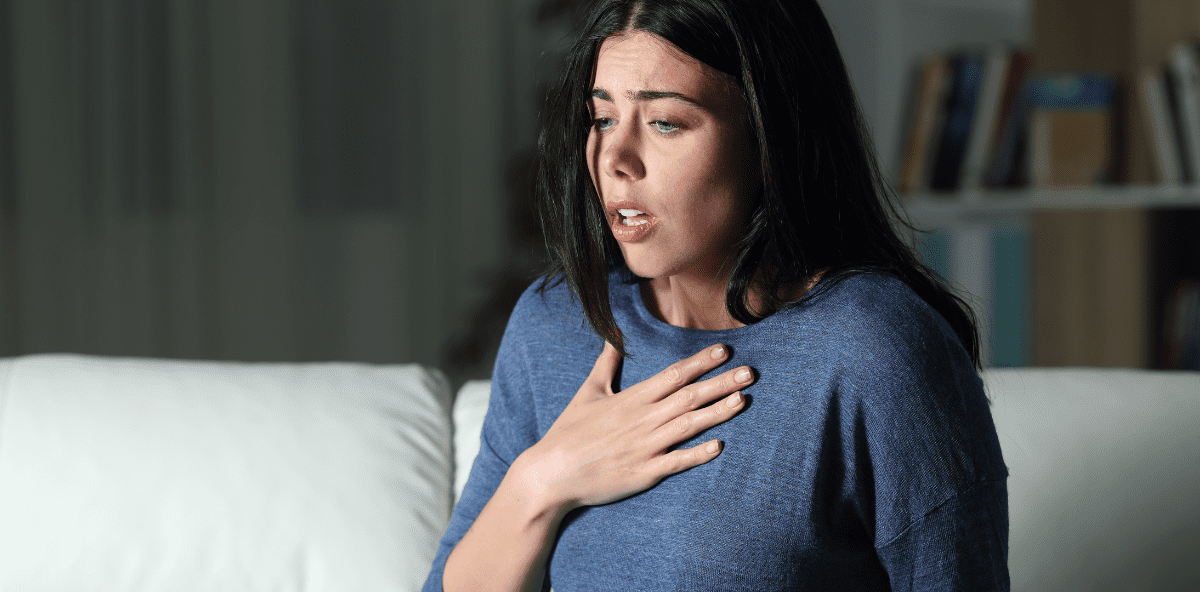
Generalized Anxiety Disorder (GAD) is a mental condition that can cause feelings of intense and prolonged worry, nervousness, panic, and fear.
In life, it is normal to experience some anxious feelings from day-to-day stressors such as bills, work, health, etc. But GAD produces persistent and excessive amounts of anxiety that might begin to interfere with daily activities.
Anxiety can cause both physical and physiological symptoms. Psychological symptoms are those “related to the mind or emotional state of a person,” and physical symptoms are “relating to the body.” When discussing anxiety disorders, people usually think first of the psychological symptoms and feelings one experiences, but physical symptoms of anxiety are just as common.
According to the National Institute of Mental Health, “An estimated 31.1% of US adults experience any anxiety disorder at some time in their lives.” So chances are you or someone you’re close to experiences some anxiety disorder. There are several types of anxiety disorders, including GAD, which we’ll discuss further below, along with the different physical symptoms of anxiety to look out for.
The Physical Symptoms of Anxiety are:
- Shortness of breath
- Nausea
- Shaking or trembling
- Dry mouth
- Restlessness, trouble sleeping
- Sweating
- Light-headedness or dizziness
- Rapid or irregular heartbeat
- Noticeable increase or decrease in bowel movements
- Muscle aches, headaches, backaches
- Tension in body
- Tiredness
- Stomach Ache
It is important to note that not everyone experiences each symptom listed above and that going through one of these symptoms does not mean an individual has GAD or another anxiety disorder. However, if you regularly endure any of these physical signs of anxiety, seek professional help.
What causes the physical symptoms of anxiety
Physical symptoms of anxiety occur because of the body’s autonomic nervous system. The autonomic nervous system regulates involuntary physiologic processes such as heart rate, breathing, digestion, and blood pressure. This system reacts when your mind perceives a physical threat. When your mind perceives a threat, the autonomic nervous system puts your body into fight-or-flight mode, which is your body’s effort to defend itself from danger. When experiencing anxiety, your body goes into this same mode, thus creating the symptoms of a fast-paced heartbeat, restlessness, etc.
Different types of Anxiety Disorders
There are several different anxiety disorders, each categorized by distinct symptoms. Anxiety disorders include but are not limited to:
- Generalized Anxiety Disorder includes feelings of anxiety or dread beyond the stressors of daily life. People with GAD can suffer from persistent anxiety for months or years.
- Agoraphobia is a fear of finding oneself in a situation that would be difficult to escape or where help would not be available if something when wrong. The intense fear of these situations can lead one to become housebound. Agoraphobia is categorized as someone having an intense fear of at least two of the following situations:
- Using public transportation
- Being in large, open spaces
- Being in enclosed spaces
- Standing in line or being in a crowd
- Being outside of the home by oneself
- Panic Disorder is characterized by frequent or unexpected panic attacks. A panic attack is a quickly arising feeling of discomfort, intense fear, or perception that one is losing control, even when there is no direct or clear trigger. Individuals can experience panic attacks without having panic disorder. However, those with a panic disorder experience recurrent, unexpected episodes.
- Phobia-related disorders are extreme or irrational fears or aversions toward something. While experiencing fear in certain situations is normal, when one has a phobia, the fear and sense of danger experienced can seem disproportionate in comparison to the problem at hand.
- Post-Traumatic Stress Disorder (PTSD) can develop after experiencing or witnessing a traumatic event or situation that was extremely scary, shocking, or perceived to be dangerous. Suffering from PTSD occurs when one feels stressed or threatened when there is no imminent danger. PTSD can develop at any age, and according to The National Center for PTSD, about 12 million adults have PTSD during a given year.
- Social Anxiety Disorder (also called Social Phobia) is a long-term and intense fear of social situations and judgment by others. Social Anxiety Disorder can interfere with daily activities that require social interactions, such as going to school, work, or other situations where interacting with people is expected. According to the National Institute of Mental Health, An estimated 12.1% of US adults experience a social anxiety disorder at some point in their lives.
- Separation Anxiety Disorder stems from the fear of being separated from the individual(s) to whom one is attached. The fear is that harm or injury will occur to the individual(s) they are attached to while apart. This intense worry can cause those with separation anxiety to fear being alone or have nightmares about separation from the attachment figures. Although commonly associated with children, individuals of all ages can be diagnosed with separation anxiety disorder.
Treatment for Anxiety
Experiencing anxiety or being diagnosed with an anxiety disorder can seem daunting and hopeless in the moment, but there is hope.
One can take different courses of action when searching for a healthy way to manage or treat anxiety. Options include:
- Reaching out to a doctor
- Working with a therapist or mental health professional
- Finding a medication that works for you
- Joining support groups
- Implementing healthy habits that decrease the intensity of symptoms
Finding healthy coping skills that work for you is essential to feeling better and treating your disorder.
Healthy Coping Skills for Anxiety
While working with mental health professionals is recommended, there are some simple things one can do to make a positive difference in managing anxiety if professionals are not immediately available.
While working with mental health professionals is recommended, there are some simple things one can do to make a positive difference in managing anxiety if professionals are not immediately available.
- Breathwork and meditation techniques are great because they are easily accessible and effectively calm the nervous system responsible for the physical symptoms that exacerbate intense anxiety.
- Box breathing is a simple technique that uses four counts during inhales and exhales.
- Take four counts to inhale, hold your breath for four counts, take four counts to exhale, then hold your breath for four counts before beginning again.
- It can be helpful to imagine drawing a square as you breathe.
- The 5-4-3-2-1 technique works by activating all senses to ground yourself and distract the mind long enough to calm down.
- Identify five things you can see, four things you can touch, three things you can hear, two things you can smell, and one thing you can taste.
- Box breathing is a simple technique that uses four counts during inhales and exhales.
- Getting proper sleep is critical for your health and well-being. The CDC recommends adults get at least seven hours of sleep a night. While sleeping in short bits throughout the day is enticing, more time is needed for your body to carry out the essential functions that keep your brain healthy.
- A healthy diet is vital to managing anxiety. To help with anxiety, work on eating three meals a day with adequate servings of fruits and veggies. Additionally, avoid substances like caffeine, alcohol, and recreational drugs, which spike feelings of anxiety.
- Physical activity is proven to help many symptoms of anxiety by decreasing muscle tension, diverting your attention from the stressor, and releasing serotonin (the “feel good” chemical) in the brain. Regular exercise can even help build resilience to the negative emotions associated with anxiety.
Working with Professionals
The best way to manage anxiety is through professional care. Doctors and mental health professionals are great resources because they have specialized knowledge of how to work with individuals suffering from anxiety disorders properly. In addition, treatment options can include different forms of therapy, medication, and recommended support groups.
Working with a therapist is an excellent way to manage anxiety. There are different forms of therapy, and your provider will provide the best treatment based on the severity of your anxiety, its root causes, and your lifestyle.
Talk therapy (also known as psychotherapy) is a common way to discover the causes of your anxiety and express your emotions in a safe environment. A common form of talk therapy is cognitive-behavioral therapy (CBT). CBT can help people understand the relationship between unhelpful thinking patterns and behavior.
Getting on medication can help relieve symptoms of anxiety disorders. While medication will not cure the condition, it can be a powerful part of one’s treatment plan. There are several anti-anxiety medications, such as anti-depressants, anti-anxiety meds, and beta-blockers. It is crucial to work closely with your provider as you find a medication that works best for you. Keep your provider informed of worsening or better symptoms and any side effects you experience. Additionally, be sure to use the medication only as directed. Mixing medications with other substances such as prescription or recreational drugs can cause harmful effects, so transparency with your doctor is critical.
When to Seek Help
You deserve to lead a joyful life. It is time to seek professional treatment if you find yourself:
- Experiencing persistent fear or worry for extended periods of time
- Suffering in professional or personal relationships due to your anxiety
- Having trouble concentrating
- Not wanting to be around others you used to be close with, isolating yourself
- Thinking about harming yourself or others
- Feeling worthless
Seek help sooner rather than later. Living with anxiety can lead to other serious health issues and decrease your overall quality of life. If you or a loved one is suffering, reach out for help.