



When you’re exploring the stages of addiction recovery explained step by step, you’re taking an informed approach to your healing journey. Recovery is a process that unfolds over time, guided by evidence-based practices and personal growth. Whether you’re in Salt Lake City or beyond, understanding each phase—from initial readiness through long-term maintenance—can help you and your loved ones navigate treatment options with confidence.
Define addiction recovery
Addiction is a chronic brain disease marked by compulsive substance use despite harmful consequences. It rewires the brain’s reward circuitry, altering how you experience pleasure and motivation American Addiction Centers. Recovery does not mean a one-time cure; rather, it’s an ongoing process of managing symptoms, rebuilding your life, and preventing relapse National Institute on Drug Abuse.
Key aspects of recovery include:
- Medical stabilization, often through detoxification and medication-assisted treatment
- Behavioral therapies to address underlying thoughts, feelings, and triggers
- Social support from peers, family, and professionals
- Aftercare planning that bridges inpatient and outpatient care
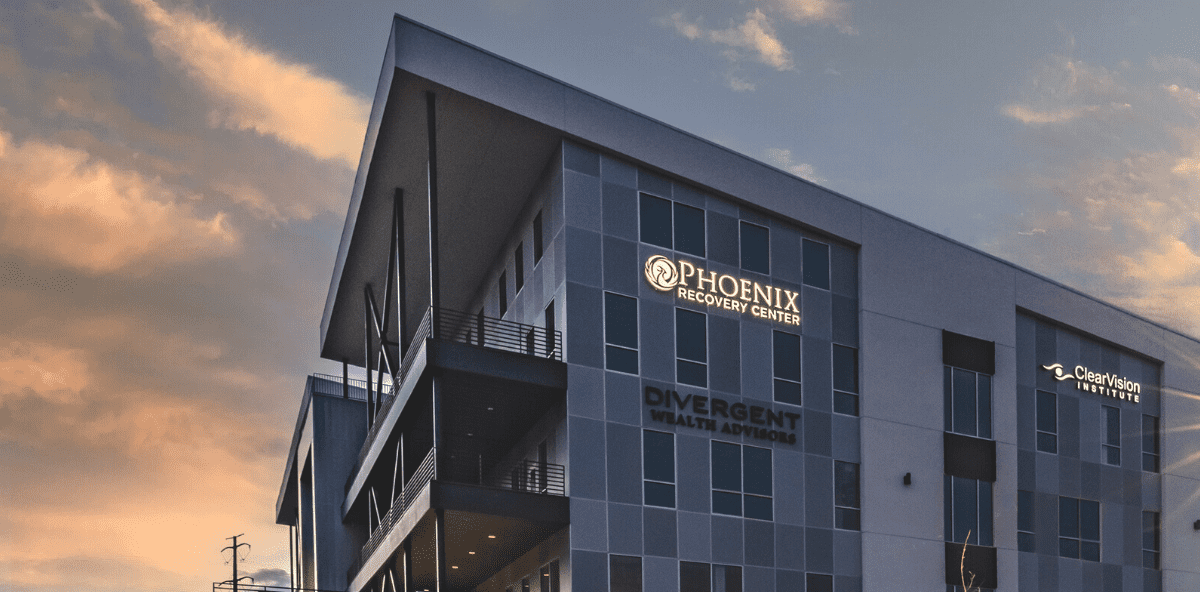
At Phoenix Recovery Center in Salt Lake City, you’ll work with a multidisciplinary team—therapists, medical providers, case managers—who tailor each component to your unique needs. This supportive environment promotes safety, structure, and skill building essential for lasting change.
Explore recovery stages
Many experts use the Transtheoretical Model to describe five stages of change you move through as you decide to alter addictive behaviors. Recognizing where you are helps you set realistic goals and seek appropriate support.
Precontemplation stage
In this early phase, you may not acknowledge a problem with substance use. You might feel defensive if others suggest change, or believe your use isn’t risky.
Signs you’re in this stage:
- Minimizing negative consequences
- Avoiding conversations about substance use
- Believing “I can quit anytime”
What you can do:
- Read about addiction basics and warning signs
- Talk with a trusted friend or counselor
- Review signs you’re ready to start addiction treatment
Contemplation stage
Here you recognize downsides of your use and weigh pros and cons of change. You’re aware but ambivalent, often feeling stuck.
Common thoughts:
- “I want to stop, but I’m not sure how.”
- “Maybe my life would be better without alcohol or drugs.”
Strategies for this stage:
- Keep a journal of triggers and cravings
- Attend peer-based meetings to hear others’ stories
- Explore how to overcome fear before entering a rehab program
Preparation stage
You’re ready to take action within the next month. You gather information about treatment options and set concrete goals.
Key actions:
- Research programs like residential, outpatient, or partial hospitalization
- Consult medical and mental health professionals for assessment
- Plan logistics: finances, work leave, childcare
Checklists and guides:
- How to prepare for residential treatment in Salt Lake City
- Questions to ask admissions staff, such as length of stay and therapy modalities
Action stage
This phase involves active engagement in treatment—detox, therapy sessions, support groups, skill building. You implement coping strategies and begin lifestyle changes.
Typical components:
- Daily individual and group therapy
- Medical supervision during withdrawal
- Psychoeducation on triggers and relapse prevention
Learn more about each treatment phase:
Maintenance stage
Once you’ve established new, healthier habits, maintenance focuses on sustaining those changes over months and years. You refine coping skills and strengthen your support network.
Ongoing tasks:
- Attending aftercare or alumni meetings
- Practicing stress-management techniques
- Monitoring progress and adjusting your recovery plan
For long-term success, see why aftercare is the key to long-term sobriety.
Navigate long-term recovery
Beyond initial behavior change, recovery unfolds in phases that span years. Understanding these long-term stages helps you anticipate challenges and celebrate milestones NCBI Bookshelf.
| Stage | Timeline | Focus |
|---|---|---|
| Abstinence | 1–2 years | Physical stabilization, habit replacement |
| Repair | 2–3 years | Healing relationships, repairing damage |
| Growth | 3+ years | Personal development, rebuilding skills |
Abstinence stage
Your primary goal is to maintain sobriety and stabilize daily routines. Physical health, sleep, and nutrition often improve noticeably. You learn to manage cravings with coping tools and support.
Repair stage
As you stay connected to recovery supports, you focus on repairing relationships and addressing past traumas. You might return to education or employment, rebuild trust with loved ones, and resolve legal or financial issues.
Growth stage
In this ongoing phase, you cultivate personal growth and life skills you missed during active addiction. You may mentor others, pursue hobbies, or deepen spiritual practices. This stage emphasizes resilience, purpose, and contribution.
Plan relapse prevention
Relapse is not failure, but a signal to revise your approach. Most individuals experience relapse rates similar to those of other chronic conditions National Institute on Drug Abuse. A structured prevention plan helps you identify risks and respond early.
Recognize warning signs
Relapse often unfolds in stages—emotional, mental, physical—each offering clues you can catch before a return to use NCBI Bookshelf.
- Emotional relapse: isolation, mood swings, poor sleep
- Mental relapse: rationalizing use, craving fantasies, bargaining
- Physical relapse: actual substance use
Develop coping strategies
Having a toolbox of strategies can interrupt relapse momentum.
- Practice mindfulness and stress-reduction tactics such as MBSR or MBRP Catawba Valley Healthcare
- Use distraction techniques: exercise, creative outlets, volunteering
- Engage in motivational interviewing techniques during therapy
Seek ongoing support
A robust support network buffers you against isolation and triggers.
- Attend peer-based groups (AA, NA, SMART Recovery) American Addiction Centers
- Connect with a certified peer recovery support specialist NCBI
- Lean on family, sponsors, and sober friends
For deeper guidance, review understanding relapse as part of recovery and explore creating a personal recovery plan that works.
Use supportive resources
Your recovery journey benefits from a combination of clinical care, peer engagement, and community partnerships. Salt Lake City offers a range of services designed to meet you where you are.
Therapy modalities
Evidence-based treatments help you address root causes and develop new skills.
- Cognitive behavioral therapy (CBT) to challenge unhelpful thought patterns
- Motivational interviewing to strengthen commitment to change
- Acceptance and commitment therapy (ACT) to build psychological flexibility
- Contingency management for tangible rewards that reinforce sobriety
Medical and holistic support
Phoenix Recovery Center integrates medical supervision with holistic approaches.
- Medication-assisted treatment for opioid or alcohol use disorders
- Mindfulness-based relapse prevention to manage cravings
- Yoga, meditation, and fitness to promote overall wellness
Peer and community programs
You don’t have to go it alone—peer networks and community groups foster accountability and belonging.
- 12-Step fellowships like AA and NA for spiritual and social support
- SMART Recovery, a secular, CBT-informed alternative
- Local recovery community organizations offering sober events and mentorship
Aftercare and transition
Moving from inpatient care to daily life requires structure and routine. You can find guidance in:
- How to transition from inpatient to outpatient treatment
- Building structure and routine during early recovery
- What happens after you leave rehab
Phoenix Recovery Center also provides tailored aftercare plans and alumni support to help you sustain progress. Learn more about how Phoenix Recovery Center supports your first 90 days.
Conclusion
You don’t have to face addiction alone. By understanding the stages of addiction recovery explained step by step, you can set realistic goals, access the right treatments, and create a relapse prevention strategy that works for you. Whether you’re just considering change or are years into your journey, resources like Phoenix Recovery Center in Salt Lake City stand ready to guide you toward lasting sobriety and personal growth. If you’re ready to take the next step, explore why you shouldn’t wait to get help for substance use and reach out today. Your path to healing begins now.