Full-Continuum Kratom Rehab for Adults in Utah
The Phoenix Recovery Center (TPRC)
Life moves fast, and it’s not uncommon to feel like you need something to get through your day.
Maybe you’ve been working overtime at work and going straight home to your family life where you don’t get enough time to unwind or relax, leaving you stressed out or moody. Or maybe you’re not getting enough sleep each night, and you feel like you need something to help you improve your alertness and productivity at work or college.
These are a few of the reasons why someone might reach for a substance like kratom to provide them with either a stimulant to increase their energy, or sedative to help them calm down and relax.
While kratom is not technically an opioid, its main active chemicals influence the brain in much the same way as an opioid would. This means it’s easy to become physically and mentally dependent upon kratom with regular use, and withdrawal without the assistance of mental health professionals is very difficult.
If you or a loved one needs kratom addiction help, The Phoenix Recovery Center (TPRC) is here to help.
We offer full-continuum kratom addiction treatment in Salt Lake City, and serving the entire Wasatch Front.
Get Help for You or Your Loved One Now
If you or a loved one is suffering from kratom addiction, or have failed prior treatment, get help today by calling The Phoenix Recovery Center (TPRC), 489 W South Jordan Pkwy Ste 400, South Jordan, UT 84095, at (801) 438-3185. Talk to our admissions team to learn more about our kratom addiction treatment in Salt Lake City, and have your insurance verified for free.
Recognized Standards of care you can trust.


Can You Get Addicted to Kratom?
Yes, kratom is addictive. Although it’s not a traditional opioid like morphine or fentanyl, it has a similar effect on brain receptors that can lead to a kratom addiction.
Kratom is derived from the leaves of a tropical evergreen tree native to Southeast Asia. The leaves contain two main psychoactive compounds, mitragynine and 7-hydroxymitragynine, that act as an atypical opioid as they bind to certain brain receptors just like a traditional opioid would.
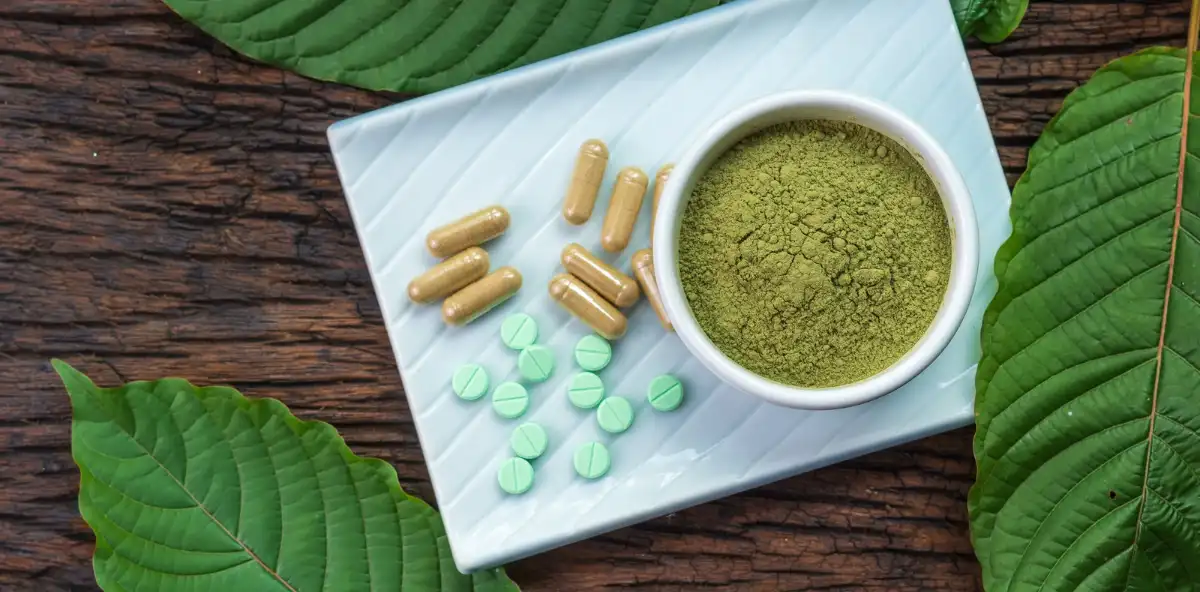
Kratom is taken orally. The leaves are dried and pulverized into a powder, and are sold in smoke and vape shops, gas stations, and online as powder, capsules, tablets, liquid extracts, and gummy candies.
Kratom is not U.S. FDA approved for any medical or supplemental use. Regulation varies by state. In Utah, the sale of products that are not “pure leaf kratom,” and instead are a mix of kratom and other substances, is illegal. Additionally, kratom extracts and products made from kratom extracts are not considered to be “pure leaf kratom” and cannot be sold in the state.
Why So Many People Start Kratom to Treat Something Else
When dealing with the stress of chronic pain or lack of energy to get through your work day, a person wants quick relief. So they may turn to a substance that’s readily available and considered “natural” since it’s derived from the leaves of a tree.
Kratom also acts fast. You can feel the effects within five to 10 minutes of ingesting, and they can last on average for two to five hours.
Because kratom can be used as either a stimulant or sedative, a person may reach for it to help with:
- Anxiety
- Depression
- Low energy
- Opioid withdrawal
- Post traumatic stress disorder (PTSD)
- Productivity and alertness at work or school
- Relief for chronic pain
- Sociability
- Stress management
The problem is while kratom’s effects may work temporarily, the main underlying issue is not being addressed or treated. For example, using kratom for anxiety is a “quick fix” that doesn’t actually treat your anxiety. And using kratom for opiate addiction as a substitute or to treat withdrawal symptoms only makes your substance abuse situation worse.
This is also why it’s not uncommon for a person to have a kratom addiction co-occurring with a mental health issue like depression, anxiety, or trauma.
Kratom addiction and depression or another mental health concern is called a dual diagnosis, and requires specialized treatment to ensure both issues are treated at the same time.
What Are the Signs of Kratom Addiction?
Signs of kratom addiction can be physical or behavioral.
Physical kratom addiction signs include:
- Breathing issues
- Constipation
- Dry mouth
- Excessive sweating
- High blood pressure
- Joint pain
- Loss of appetite
- Muscle aches
- Nausea
- Skin color changes
- Tremors or shakiness
- Unexplained weight changes
- Vomiting or diarrhea
Behavioral or psychological signs of kratom addiction include:
- Avoiding normal responsibilities
- Confusion
- Daytime fatigue
- Difficulties concentrating
- Erratic behavior
- Extreme sudden energy changes
- Major mood swings
- Memory loss
- Hallucinations or delusions
- Sleeping issues
- Social withdrawal
This list is meant to act as a self-check of kratom addiction signs, and not a diagnosis. If you suspect yourself or a loved one has an addiction to kratom, it’s important to seek help from a mental health professional.
Signs a Family Member Might Notice
Many of the behavioral or psychological signs of kratom addiction can take its toll on a family.
If your adult child, wife, or husband is addicted to kratom, you may notice:
- Always cancelling plans because they’re too tired or not feeling well
- Asking for money and not saying what it’s for
- Becoming defensive when asked about the changes in their behavior
- Constantly showing up late to work or school
- Extreme mood swings, including irritability and quick to anger
- Hiding bottles or other packaging
- Loss of interest in social engagements
- Major changes in energy over a short time period
- Spending money that’s needed to pay bills or other family expenses
- Withdrawal from the hobbies they used to love to do
A substance addiction doesn’t just affect one person. It affects the entire family. If you’ve thought my son is addicted to kratom, a mental health professional can help you have a better understanding of your family member’s addiction and learn how to turn what may be enabling behaviors into the support they need to recover successfully.
How Hard Is It to Quit Kratom?
Breaking an addiction to kratom is different for every person. Much depends on how long the person has been using kratom, how much, and the underlying issues they have been using it to treat.
Kratom withdrawal treatment can take a few weeks, with the worst withdrawal symptoms normally occurring within the first few days of stopping.
Once most of the withdrawal symptoms resolve, those addicted to kratom may experience post-acute withdrawal syndrome where some symptoms can continue for a few more weeks or even months. Additionally, those with a kratom addiction are at a high risk for reuse if the underlying reason for why they started in the first place is not treated.
If you’re looking for more information on how to quit kratom, The Phoenix Recovery Center (TPRC) can refer you or your loved one to a medically supervised detox in the Salt Lake City area.
After detox, you can continue your recovery and manage your post-acute withdrawal symptoms through TPRC’s full-continuum of addiction recovery services, including treatment for a dual diagnosis.
What Is Used to Treat Kratom Addiction?
Kratom addiction treatment is managed similarly to opioid addiction because kratom’s active ingredients act so similarly.
Certain medications are used to help with the detox process. After detox, an inpatient residential addiction treatment program can provide the psychological and behavioral therapies needed to help you handle your cravings and treat the co-occurring underlying issue as to why you started using kratom in the first place.
Kratom treatment at The Phoenix Recovery Center (TPRC) starts with our Residential Addiction Treatment Program, and allows you to step down to less restrictive treatment options throughout your recovery.
Medical Care and Medication Support
Medication-assisted treatment (MAT) is available for kratom addiction treatment on a case by case basis.
A commonly used medication is buprenorphine and buprenorphine-naloxone (Suboxone) for kratom addiction. This medication can help manage the intensity of physical withdrawal symptoms and ease cravings.
Other MAT options may include:
- Antidepressants
- Anti-inflammatory drugs
- Clonidine
- Dihydrocodeine and lofexidine
Therapy That Addresses Why You Started
Psychological and behavioral therapies that may be used to treat kratom addiction include:
- Cognitive behavioral therapy (CBT)
- Dialectical behavior therapy (DBT)
- Eye Movement Desensitization and Reprocessing (EMDR)
- Group therapy
- Internal Family Systems (IFS) psychotherapy
- Trauma-informed counseling
Treating Pain, Anxiety, and Depression at the Same Time
There’s almost always a self-medicating reason as to why someone starts to take kratom. Maybe they’re tired of being depressed and want something to make them feel good and boost their energy short-term. Or maybe they’re living with chronic pain and believe an “all natural” option like kratom is their best option.
Whether you’re living with kratom addiction and depression, chronic pain, anxiety, or any other underlying issue, The Phoenix Recovery Center’s (TPRC) specialized dual diagnosis treatment manages both issues at the same time, helping to lower your risk of recurrence.
If You’ve Tried to Quit Kratom Before: How to Stop Kratom Addiction Once and For All
Overcoming any type of substance addiction is hard, especially if you’re trying to do it on your own.
Many of our clients come to TPRC for help after failing prior kratom addiction recovery that didn’t manage both their kratom addiction and the underlying cause. In fact, about 76% of the 807 patients in TPRC’s outcome study had failed at least one prior treatment program before entering TPRC.
This can lead to “relapse guilt,” causing you further stress and anxiety that can make it even harder to stay clean.
TPRC’s full continuum step-down care is designed to provide fully personalized, non-standardized care tracks that can help you finally get your life back.
Kratom Treatment for Working Professionals in Utah
TPRC’s mental health professionals specialize in providing confidential care to working professionals in high-stress industries, such as healthcare, construction, and law enforcement, seeking to regain functioning at work.
We make it easy for working professionals to continue their full-continuum care with evening hour availability for our Intensive Outpatient Program, letting you still work during the day while recovering.
And we’re proud of the employer partnerships we have built with some of the largest employers in Utah. This helps streamline Employee Assistance Program (EAP) referrals so you can get the help you need with a kratom addiction.
How Families Can Help a Loved One with Kratom Addiction
No one ever wants to think of their loved one having a substance use problem. Unfortunately, it happens more commonly than you may realize.
How to help someone addicted to kratom includes:
- Raising your concerns no matter how difficult it may be.
- Don’t place shame or blame on your loved one as it can cause them to shut down emotionally.
- Talk about kratom rehab as an option without pushing too hard.
- Tell them they’re not alone in this and show you’re willing to work through the issue as a family.
- Understanding the difference between supporting vs enabling your loved one.
- Don’t expect overnight results and understand that change happens gradually in stages.
Who Is Kratom Addiction Treatment For?
The Phoenix Recovery Center (TPRC) offers kratom addiction treatment in Salt Lake City for adults ages 18 and over.
Our clinical team specializes in assisting:
- Those who have tried treatment before without lasting results. About 76% of the 807 patients in TPRC’s outcome study had failed at least one prior treatment program.
- Working professionals in high-stress industries, such as healthcare, construction, and law enforcement, seeking to regain functioning at work.
- People seeking personalized, non-standardized care tracks.
- Concerned family members researching on behalf of a spouse or adult child.
Four Levels of Step Down Care to Support Long-Term Recovery From Kratom Addiction
- 1HighestResidential
Residential Treatment
Live on-site with round-the-clock clinical care and structure.
- 2HighDay Treatment · PHP
Partial Hospitalization
Full days of treatment; return home or to sober living at night.
- 3ModerateIntensive Outpatient · IOP
Intensive Outpatient
A few sessions a week while you live at home and keep working.
- 4MaintenanceOutpatient · GOP
General Outpatient
Ongoing check-ins to protect the progress you have made.
At The Phoenix Recovery Center (TPRC), our main goal is to provide our clients and families with the support and tools they need to regain their lives through lasting solutions.
To achieve this goal, we use a four-part step-down model that allows our clients to start with a more intensive inpatient treatment option, and gradually move, or step down, to less restrictive care options as they progress. This allows our clients to begin getting back to their everyday life while integrating all they’ve learned through our program.
The TPRC step-down model includes:
- Our Residential Addiction Treatment rehab for kratom offers 24/7 care in a 44-bed residential facility.
- Daytime Partial Hospitalization Program (PHP) with 21 clinical hours a week of structured, evidence-based care where you can continue to work, go to school, and go home at night.
- Intensive Outpatient Treatment Program (IOP) with nine hours of clinical sessions a week, Monday through Thursday, with both day and evening options available.
- Clients who move through our entire continuum of care have access to our General Outpatient Program (GOP) where you can also begin attending TPRC monthly alumni meetings and weekly AA/CODA meetings to build long-term accountability.
Take a virtual tour of TPRC’s Residential Treatment facility.
The 30 days after residential treatment are a high-risk period for return to substance use, and continuing care through step-down outpatient treatment is considered a best practice. This “relapse cliff” can happen if a person in recovery is moved back into their everyday life too quickly, causing them to relapse.
Why Choose The Phoenix
At our Utah depression and drug rehab center, The Phoenix Recovery Center (TPRC) offers a full-continuum of care program that is fully personalized to your specific mental health care needs.
This includes a fully integrated depression and alcohol abuse dual diagnosis model, allowing you to receive treatment for both your depression and substance use disorder at the same time rather than sequentially.
At TPRC, we believe in a fully holistic treatment approach that includes fitness and nutrition. That’s why guests of our Residential Treatment program have access to chef-prepared meals, and a fitness and recreation center with a pickleball court and yoga room while on site.
TPRC was founded in 2012 by Jake and Emily Shoff, with a mission of “empowering individuals and families suffering from addiction and mental health disorders, to celebrate life through lasting solutions.”
Today, we continue to honor that mission through our full clinical team of licensed and associate-licensed therapists.
Our mental health care and addiction clinician team is run by our Clinical Director Candice Taylor, LCSW, who brings 20 years of experience across residential, day treatment, and intensive outpatient settings for mental health and substance use.
Our Medical Director Lucas Robinson, FNP-C, who oversees psychiatric care and Medication-Assisted Treatment (MAT) for opioid and alcohol dependency alongside a contracted psychiatrist.


Lucas Robinson, FNP-C
And we’re proud to hold a number of accreditations, including The Joint Commission for Behavioral Health Care and Human Services, which accredits and certifies more than 22,000 healthcare programs in the U.S.
Kratom Addiction Treatment Near Me
The Phoenix Recovery Center (TPRC) is located at 489 W South Jordan Pkwy Ste 400, South Jordan, UT 84095.
We’re proud to serve and provide care close to home for those living in the Salt Lake Valley and the entire Wasatch Front, including South Jordan, West Jordan, Draper, Sandy, Provo, Orem, Tooele, Lehi, Saratoga Springs, and Eagle Mountain.
If you or a loved one is suffering from kratom addiction, call us today at (801) 438-3185.
Does Insurance Cover My Care?
Yes, most insurances cover kratom addiction treatment at The Phoenix Recovery Center (TPRC). We understand that health care can be expensive. The good news is that we have worked very hard to accept a wide variety of health insurances to help break down any barriers to accessing the treatment you or your loved one needs.
Insurances We Accept
- Aetna
- Cigna
- ComPsych
- EMI Health
- DMBA
- Imagine Health
- MotivHealth
- PEHP
- Select Health
- Tricare for active-duty military members, veterans, and their families
- United Behavioral Health
- United Healthcare
- University of Utah Health Plans
We also accept Medicaid in-network for:
- Health Choice Utah
- Select Health Community Care
- University of Utah Medicaid (Healthy U Medicaid)
- Utah State Medicaid
Talk to our admissions team to learn more about our kratom addiction treatment in Salt Lake City and have your insurance verified for free.
Why Our Approach to Kratom Addiction Treatment Works
Kratom addiction can be very hard to overcome without the right approach. Many programs treat the dependence but never reach the pain, anxiety, or low mood that led a person to kratom in the first place.
Our approach addresses the root issue through a meaning-development framework, helping clients understand what is driving their symptoms and build tools for long-term recovery.
An extensive outcome study of 807 patients receiving treatment for chemical dependency and co-occurring disorders found that 76.4% had failed at least one prior treatment program before entering TPRC.
Since 2012, The Phoenix Recovery Center (TPRC) has provided personalized, evidence-based, meaning development care through its kratom rehab program in South Jordan, Utah, serving clients who have not received the care they truly need from other programs.
The success of our approach is what has helped TPRC rank 5th in Newsweek’s “America’s Best Addiction Treatment Centers 2025, Utah,” and be awarded the 2026 Quality Business Award as the Best Rehabilitation Center in South Jordan, Utah, placing us in the top 1% of U.S. businesses.
FAQ About Kratom Addiction Treatment in Salt Lake City
What Does Kratom Addiction Treatment in Salt Lake City Involve?
Kratom addiction treatment in Salt Lake City usually starts with a detox program. After detox, treatment continues with an intensive Residential Addiction Treatment program offering 24/7 care to help you handle cravings, manage post-acute withdrawal syndrome, and treat any co-occurring mental health issues that may have led to your initial kratom use. When you graduate from the Residential Addiction Treatment program, you would step down to a less restrictive Daytime Partial Hospitalization Program, followed by an Intensive Outpatient Program, and finally General Outpatient program and ongoing support.
Can You Go to Rehab for Kratom in Utah?
Yes, you can go to rehab for kratom in Utah. The Phoenix Recovery Center (TPRC) offers kratom rehab for those living in Salt Lake City and the entire Wasatch Front, including South Jordan, Provo, and Orem. Contact us today by filling out our online admissions form or calling us at (801) 438-3185 to learn more about our kratom addiction treatment in Salt Lake City.
Is Suboxone Used for Kratom Addiction?
Yes, Suboxone treatment is frequently used as part of medication-assisted treatment (MAT) for kratom addiction. Suboxone includes a combination of buprenorphine and naloxone, which help to manage withdrawal symptoms and cravings during and after withdrawal.
How Long Does It Take to Get Addicted to Kratom?
It can take as little as three days of consistent use of kratom to become addicted. Because kratom’s active ingredients act directly on brain receptors, it can cause dependence and tolerance very quickly. And as a person builds tolerance, use becomes more frequent, causing a stronger addiction to take hold.
Can I Keep Working While Getting Kratom Addiction Treatment?
Yes, you can keep working during certain stages of kratom addiction treatment in Salt Lake City. Guests first enter inpatient Residential Addiction Treatment that offers 24/7 care in a safe and stable environment that keeps you away from any triggers, such as work or family stress. As you step down in treatment, our Daytime Partial Hospitalization Program (PHP), Intensive Outpatient Program (IOP), and General Outpatient (GOP) programs all provide less restrictive care that allows you to continue on your recovery journey while still going to work or school.
Can The Phoenix Recovery Center Treat My Anxiety or Depression Along With Kratom Use?
Yes, The Phoenix Recovery Center (TPRC) can treat your anxiety or depression along with your kratom addiction. We specialize in dual diagnosis treatment, which allows us to treat not only your addiction, but also its underlying cause, giving you a better chance at long-term recovery success.
Does Insurance Cover Kratom Addiction Treatment at The Phoenix Recovery Center?
Yes, most insurances cover kratom addiction treatment at The Phoenix Recovery Center (TPRC). Contact our admissions team today to have your insurance verified for free.
Is There an Age Requirement for Admission?
Yes, we only admit adults 18 and over into our program. However, if you have a teen who is struggling with any mental health or addiction issue, we’ll be happy to refer you to one of the many hospitals and clinics we partner with throughout Utah.
What If a Family Member Has Already Tried Treatment Elsewhere Without Success?
If you or a family member have already tried treatment for kratom addiction and it was unsuccessful, you’re not alone. In TPRC’s outcome study of 807 patients treated for chemical dependency and co-occurring disorders, about 76% had failed at least one prior treatment program. At TPRC, we specialize in helping people get to the root issue so they can get their lives back.
Start Kratom Addiction Treatment in Salt Lake City
If you or a loved one is suffering from kratom addiction, you don’t have to go it alone. The Phoenix Recovery Center (TPRC) specializes in helping you to not only recover, but stay healthy for the long term.
Contact us today by filling out our online admissions form, calling us at (801) 438-3185, or visiting TPRC at 489 W South Jordan Pkwy Ste 400, South Jordan, UT 84095, to have your insurance verified for free and learn more about our kratom addiction treatment in Salt Lake City.