


While many people may recognize that stimulants are addictive, they may not fully grasp the significant dangers associated with this addiction. The reality is that stimulants are highly addictive. It is essential to explore the reasons and mechanisms that contribute to the powerful hold they can have on so many.
What are Stimulants
Stimulants encompass both legal substances like caffeine and prescription medications, as well as illicit drugs like cocaine and methamphetamine. Whether or not the substance is legal does not diminish how addictive it can be.
Illicit stimulants, in particular, carry significant risks. For instance, methamphetamine is known to be highly addictive and can lead to severe health consequences, including cardiovascular issues and mental health disorders. Legal stimulants, too, have the potential to be addictive, especially when misused.
Are Stimulants Addictive?
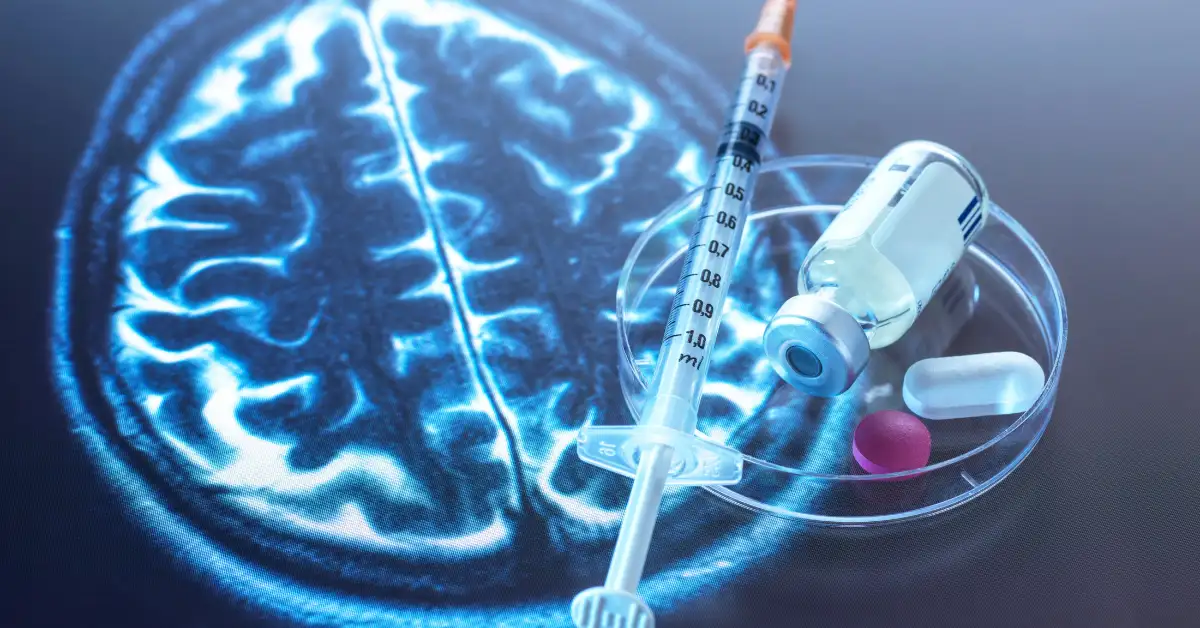
The simple answer is yes: stimulants are highly addictive. This is because they trigger chemicals in the brain that create euphoria and a sense of excitement. The issue is that euphoria and excitement are always short-lived. When the “high” goes away after an individual has used stimulants, the natural reaction is to find more to recreate that feeling (this is “chasing” a high). This is the beginning of the stimulant addiction process. Eventually, an individual becomes physically, emotionally, and mentally addicted to the substance. In many instances, an individual will develop multiple stimulant addictions.
The process of addiction involves several intertwined mechanisms, which contribute to the powerful hold stimulants have on individuals, including:
Dopamine Release: Stimulants significantly increase dopamine levels in the brain, creating intense feelings of pleasure and euphoria. This surge of dopamine reinforces the desirability of the drug, making users more inclined to seek out that pleasurable experience again. Over time, this heightened state of pleasure conditions the brain’s reward system to rely on these substances to feel “normal,” leading to cravings and compulsive drug-seeking behavior.
Tolerance Development: With continued use of stimulants, individuals often develop a tolerance, meaning they need higher and more frequent doses to achieve the same desired effects. This escalation not only raises the risk of overdose but also deepens the cycle of dependency, emphasizing the nature of stimulant addiction. As tolerance increases, users may engage in riskier behaviors to secure their preferred substances, further perpetuating their addiction.
Withdrawal Symptoms: These symptoms can include fatigue, depression, irritability, and intense cravings, which create significant discomfort. The severity and unpredictability of these withdrawal symptoms can worsen stimulant addiction and actually make the decision to quit harder. This discomfort can also cause individuals to relapse.
Changes in Brain Function: Chronic use of stimulants can lead to alterations in brain structure and function, affecting cognitive abilities, memory, and emotional regulation. These changes can impair decision-making and diminish a person’s ability to manage their emotions, creating additional obstacles in the recovery process. As individuals work to overcome their addiction, they may find that these lingering effects complicate their efforts to regain control over their lives.
The Impact of Stimulant Addiction
Stimulant addiction can be profound and far-reaching. Those with stimulant addiction often struggle with health problems, psychological issues, and social consequences due to their addiction. Whether it’s financial problems stemming from illegal stimulant use or personal relationships suffering due to behavioral changes, the effects of stimulant addiction are pervasive.
Further, the implications of stimulant addiction extend beyond the individual; they can impact families, relationships, and communities. Physical health issues like cardiovascular problems, neurological disruptions, and increased risk of infectious diseases often accompany stimulant abuse.
Moreover, psychological issues such as anxiety, depression, and paranoia are frequent with stimulant addiction. Many individuals may also experience a decline in their social and occupational functioning, leading to job loss, strained relationships, and, in extreme cases, homelessness.
Addressing Stimulant Addiction at The Phoenix Recovery Center
Millions of people struggle with the disease of addiction every day. These people are looking for a way out but don’t know where to turn. The good news is that recovery from stimulant addiction is possible. There is a way out of this loneliness and despair. The key is having a willingness to start the amazing journey of recovery. Successful recovery often begins with a reliable and reputable recovery center that provides tailored support.
Here at The Phoenix Recovery Center, we believe in long-term success over short-term “fixes.” We understand that the key to overcoming stimulant addiction lies in finding the right recovery plan and committing to the process. While the journey may be difficult, a new life filled with hope and purpose awaits those who take the first step toward recovery. All of our recovery plans are individualized and comprehensive, with a focus on the future. This includes our recovery plans that focus on stimulant addiction.
It is important to remember that recovery is about the journey, never the destination. Also, that journey will be the greatest journey one ever takes. Recovery is out there and waiting. The time to start is now. We can help make it happen.
Many people don’t realize the addictive nature of stimulant drugs, as well as their effects on the brain’s reward system and how much they can induce physical and psychological dependence. The good news is that there are many effective means, methods, and modalities that can help one recover from stimulant addiction. If you feel like you or a loved one are struggling with issues of addiction, mental illness, or co-occurring disorders, we can help get you on the right road to recovery right away. You don’t have to go through this process alone. To begin your healing journey complete this short form or call The Phoenix Recovery Center at (801) 438-3185.