


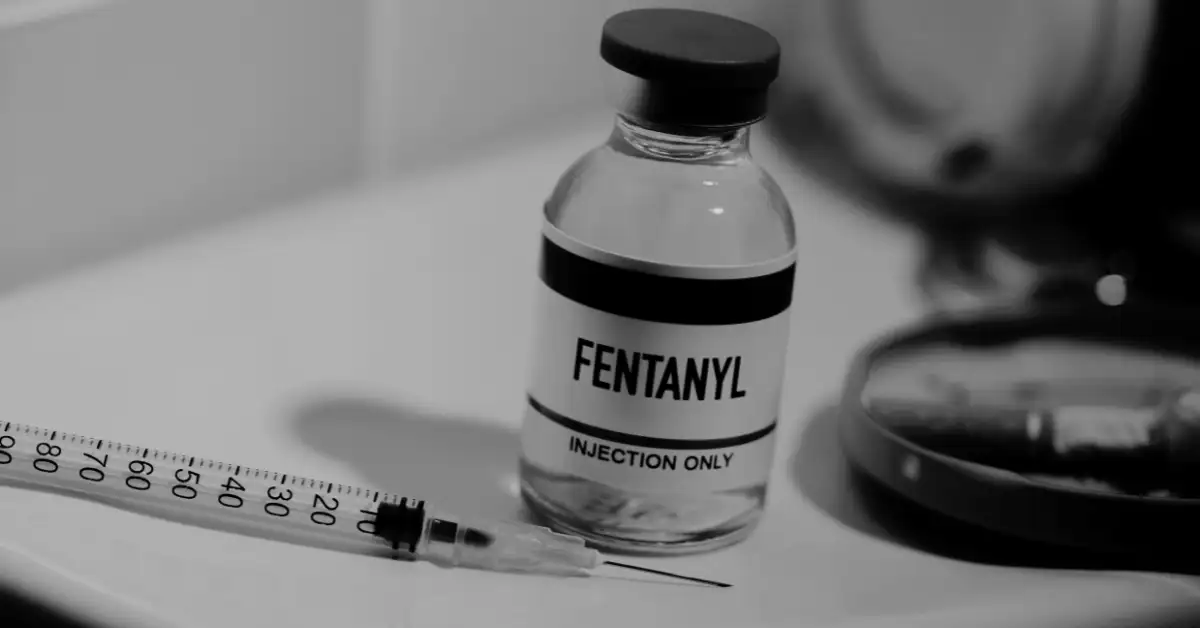
Many people may not realize the significant impact of the opioid epidemic currently facing the U.S. and the world. This crisis has worsened with the emergence of fentanyl, a highly potent synthetic opioid. According to the National Institute on Drug Abuse (NIDA), “Fentanyl is a powerful synthetic (lab-made) opioid that is FDA-approved to treat severe pain related to surgery or complex pain conditions.” However, if not administered by a medical professional, even a minuscule amount of fentanyl can lead to overdose symptoms and, in some cases, death. Therefore, it is crucial to be able to recognize fentanyl overdose symptoms.
Recognizing Fentanyl Overdose Symptoms
It is critical to recognize fentanyl overdose symptoms as soon as possible. Recognizing fentanyl overdose symptoms early can make all of the difference between getting someone the help they need and tragedy.
While the signs and symptoms of fentanyl overdose can vary based on the individual, there are some more universal signs that one can look out for. The following are a few fentanyl overdose symptoms:
- Making gurgling sounds
- Choking
- Going limp
- Feeling weak
- Having clammy palms and skin
These are relatively straightforward symptoms, but one still must know what to look out for. Missing these symptoms can also lead to short and long-term effects.
Short-Term Effects
Short-term effects of fentanyl overdose primarily stem from its impact on the central nervous system and respiratory function. The most common symptoms include:
- Losing consciousness or falling asleep
- Confusion and disorientation
- Difficulty responding to stimuli
One of the most alarming short-term effects is respiratory depression, where breathing slows significantly or may even stop altogether. This can cause a dangerous lack of oxygen in the body, leading to hypoxia, which can be life-threatening. Other symptoms include pinpoint pupils, which are a classic sign of opioid overdose, and a bluish tint to the lips or fingernails, indicating insufficient oxygen levels.
Individuals may also experience reduced heart rate and blood pressure as their body systems become compromised. In severe cases, an overdose can lead to loss of consciousness, coma, or death if not treated promptly. Recognizing these short-term effects is crucial, as this can reverse the overdose and save lives, highlighting the need for swift action in case of fentanyl exposure.
Long-Term Effects
While acute symptoms may include confusion, respiratory depression, pinpoint pupils, and loss of consciousness, the long-term effects can be equally concerning. Survivors of a fentanyl overdose may experience ongoing cognitive impairments, such as memory problems and difficulties with attention. These issues can impact daily functioning and overall quality of life.
Additionally, the long-term effects could include:
- Continued addiction
- Potential brain damage
- Depression
- Anxiety
- Long-term physical problems including respiratory problems, gastrointestinal issues, and muscle and joint complications.
Many people also end up struggling with legal issues related to fentanyl use. This can lead to damage to one’s personal record or even jail or prison time. This is why recognizing the symptoms is crucial to the success of overcoming symptoms.
Taking Action
So, how can an individual be helped if they are experiencing fentanyl overdose symptoms? The best way is most likely with the drug naloxone (brand names Narcan and Evzio).
According to the CDC, “Evidence from over one third of medical examiner charts and reports from 75% of interview respondents demonstrated that fentanyl overdose symptoms can begin suddenly, progress to death rapidly, and manifest atypical physical symptoms. Timely administration of a sufficient naloxone dose by a trained layperson or emergency medical services responder can reverse a fentanyl overdose.” The key is to know what to look out for and have naloxone readily available. This is why it can be critical to carry naloxone on one’s person at all times.
Many people go on to recover and live whole and fulfilling lives after being addicted to fentanyl. However, this can only happen if a fentanyl overdose is discovered and reversed. There is a solution. There are many effective means, methods, and modalities that can help one recover from opioid use disorder (OUD) in the long term.
Long-Term Success with The Phoenix Recovery Center
Here at The Phoenix Recovery Center, we believe in long-term success over short-term fixes. This is why all of our recovery plans are individualized and comprehensive, with a focus on the future. This includes the plans for our clients who have struggled with fentanyl overdose symptoms.
There is a whole new world of recovery out there—a world beyond pain, suffering, loneliness, and despair. The key is to take the first vital step and start the amazing journey of recovery. A new life is waiting. We can help you get there.
It can be life-saving to better understand the critical symptoms associated with a fentanyl overdose. This includes both the common and severe signs that may indicate a life-threatening situation. Fentanyl is one of the leading causes of overdose and overdose death in the U.S. The good news is that there is a recovery solution. If you feel like you or a loved one are struggling with issues of addiction, mental illness, or both, we can help get you on the positive path toward long-term recovery. You don’t have to go through this process alone. To begin your healing journey complete this short form or call The Phoenix Recovery Center at (801) 438-3185.