



Understanding meth addiction
Meth addiction treatment salt lake city starts with understanding how methamphetamine impacts your life. When you’re caught in a cycle of meth use, you may feel like you’ve lost control of your health, relationships, and daily responsibilities. Knowing what you’re up against helps you and your loved ones make informed choices about recovery.
How meth affects your body and mind
Meth is a potent central nervous system stimulant that can keep you awake for 8 to 24 hours or longer. Frequent use leads to:
- “Meth mouth,” or severe tooth decay and gum disease
- Rapid weight loss and nutritional deficiencies
- Cardiovascular problems, including high blood pressure and heart damage
- Long-lasting cognitive impairments, such as difficulty concentrating, memory lapses, and impaired impulse control
These physical and mental health challenges can persist even after you stop using meth, making professional support essential [1].
Signs you may need help
You might need meth addiction treatment if you experience:
- Cravings that dominate your thoughts
- Withdrawal symptoms like anxiety, paranoia, hallucinations, or delusions during detox
- Damaged relationships, job instability, or legal issues tied to your meth use
- Escalating tolerance, meaning you need more meth to achieve the same effect
If you see these red flags in your life or the life of someone you love, you deserve compassionate care tailored to your needs.
Exploring treatment options
There is no one-size-fits-all solution for meth addiction treatment. You can choose from a range of programs based on your circumstances, support network, and insurance coverage.
Detoxification process
Detox is often the first step on your recovery journey. You’ll work with medical professionals to manage withdrawal symptoms, which can include:
- Intense cravings and fatigue
- Severe anxiety or depression
- Hallucinations, delusions, and paranoia
At a medical detox center salt lake city, you’ll receive 24/7 monitoring from doctors, nurses, and mental health specialists. Evidence-based approaches, such as medication-assisted detox and counseling, help you safely navigate the hardest early days [1].
Residential and outpatient programs
Once you complete detox, you’ll select a continuing care option that matches your level of need.
Inpatient rehab
- Live at the treatment facility for 30 to 90 days
- Engage in individual therapy, group counseling, and holistic therapies like yoga and meditation
- Benefit from round-the-clock support during early recovery
Outpatient detox
- Attend scheduled sessions while living at home
- Ideal if you have reliable family support and a stable environment
- Offers flexibility to maintain work or school commitments
For an outpatient approach, explore outpatient detox program salt lake city or check out our guide to evidence-based detox salt lake city.
Choosing evidence-based care
You deserve treatment backed by science, delivered in-network, and covered by your insurance. Here are three Salt Lake City providers known for results.
Phoenix Recovery Center approach
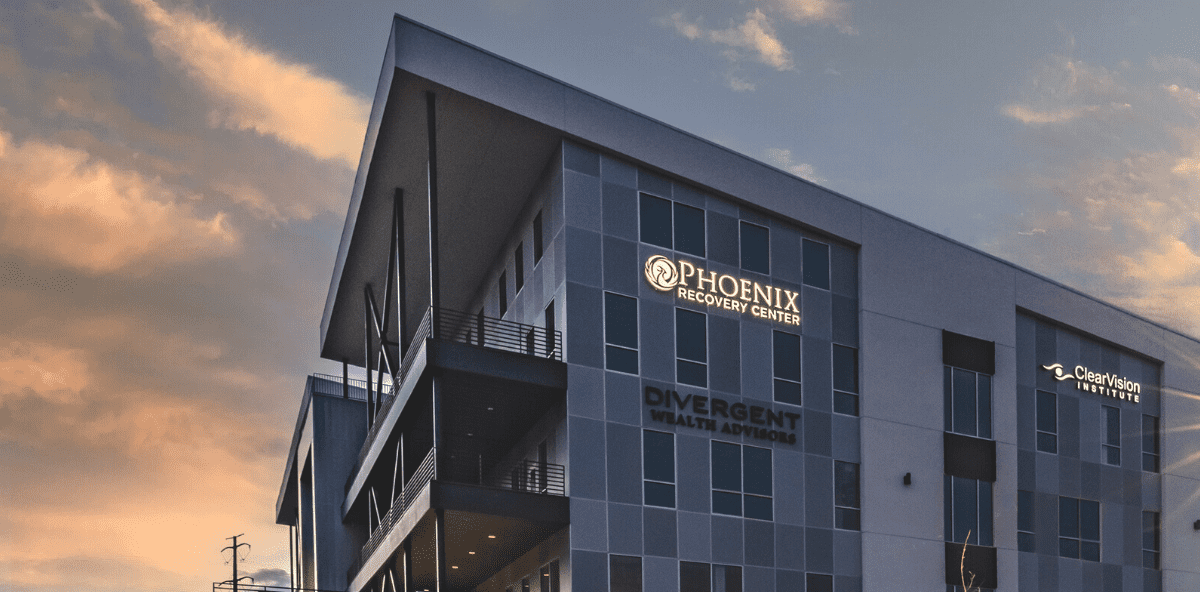
Phoenix Recovery Center offers in-network, evidence-based treatment covered by most major insurance plans. Their meth addiction programs include:
- Personalized treatment plans based on your history and goals
- Cognitive behavioral therapy and motivational interviewing
- Group sessions that foster camaraderie and mutual accountability
By choosing Phoenix Recovery Center, you can focus on recovery without worrying about unexpected bills.
Brighton Recovery Center features
Brighton Recovery Center in Sandy specializes in methamphetamine recovery that addresses both physical damage—like “meth mouth”—and cognitive effects. Their philosophy includes:
- Compassionate, individualized care right from detox
- Emphasis on building resilience, coping strategies, and life skills
- Support for co-occurring mental health issues such as anxiety, depression, and bipolar disorder [1]
University of Utah Health services
University of Utah Health’s HMHI program provides comprehensive inpatient detox and residential treatment in Salt Lake City. Highlights include:
- Psychiatrist-led medical supervision during withdrawal
- Family therapy and discharge planning to ensure ongoing support
- Education on relapse warning signs and prevention techniques [2]
Navigating insurance coverage
Understanding how your insurance applies to meth addiction treatment helps you access high-quality care with minimal out-of-pocket costs.
In-network treatment benefits
When you choose in-network meth addiction treatment salt lake city providers, you typically pay lower copays and deductibles. In-network care also streamlines pre-authorization and reduces the risk of surprise bills.
Insurance plans accepted
Most top Salt Lake City centers accept a wide range of plans. Below is a snapshot:
| Insurance plan | In-network options |
|---|---|
| Aetna | Phoenix Recovery Center, University of Utah Health |
| Cigna | Phoenix Recovery Center, Brighton Recovery Center |
| Blue Cross Blue Shield | Phoenix Recovery Center, various outpatient clinics |
| UnitedHealthcare | University of Utah Health, select rehab centers |
| Tricare | Phoenix Recovery Center, state-run facilities |
| Medicaid | State facilities, some nonprofit providers |
For details on facilities in your network visit rehab that takes aetna salt lake city, rehab that accepts cigna salt lake city, rehab that takes blue cross blue shield salt lake city, rehab covered by united healthcare salt lake city, rehab programs that take medicaid salt lake city.
Free helpline options
If you need guidance on treatment choices or insurance questions, call the free, confidential 24/7 Lumina helpline. Specialists can help you explore options at no cost or obligation [3].
Accessing local resources
Salt Lake City and its surrounding areas offer a wealth of recovery services to support your journey.
Top rehab centers in Utah
RehabNet’s 2025 guide lists the top 12 addiction treatment centers in Utah, including those focusing on meth addiction treatment in Salt Lake City [3]. Notable facilities include:
- Liberty Addiction Recovery Centers
- The Phoenix Recovery Center
- Maple Mountain Recovery
- Brighton Recovery Center
- University of Utah Health’s HMHI program
Aftercare and support groups
Recovery doesn’t end when you leave the rehab facility. Aftercare is vital for sustaining long-term sobriety.
Family involvement and peer support
Your loved ones can play a key role in your success. Family therapy sessions teach communication and coping skills. Certified Peer Specialists (CPS) who have walked a similar path offer guidance and accountability [4].
Community health roles
Becoming involved as a Community Health Worker (CHW), Medication Awareness Recovery Services (MARS) volunteer, or HIV Peer Educator can strengthen your resolve and reinforce the skills you develop in treatment [4].
Planning for lasting recovery
A strong relapse prevention plan and support network can help you maintain sobriety for the months and years ahead.
Coping with triggers
Identify high-risk situations—such as stress at work or social gatherings where meth is present—and develop strategies like:
- Deep-breathing exercises
- Calling a support person
- Attending a 12-step or peer support meeting
Building resilience
Long-term success often depends on lifestyle changes that boost physical and mental health:
- Regular exercise and balanced nutrition
- Mindfulness practices, such as meditation or yoga
- Consistent sleep routines
Creating your support network
Surround yourself with people who understand recovery. Consider:
- Weekly meetings with a certified counselor
- Peer support groups
- Sponsors or mentors who hold you accountable
With these elements in place, you give yourself the best chance to stay meth-free.
Conclusion
Seeking meth addiction treatment in Salt Lake City is a courageous first step toward reclaiming your health and happiness. Whether you start with a medically supervised detox, choose residential care at Phoenix Recovery Center, or enroll in aftercare with family therapy, you deserve compassionate, evidence-based support every step of the way. Remember, you’re not alone—help is available 24/7 through the Lumina helpline [3]. When you combine professional care with a strong support network, you can build a future free from meth, full of hope and renewed purpose.